

What B2B Buyers Should Check Before Importing Smart Cat Litter Boxes
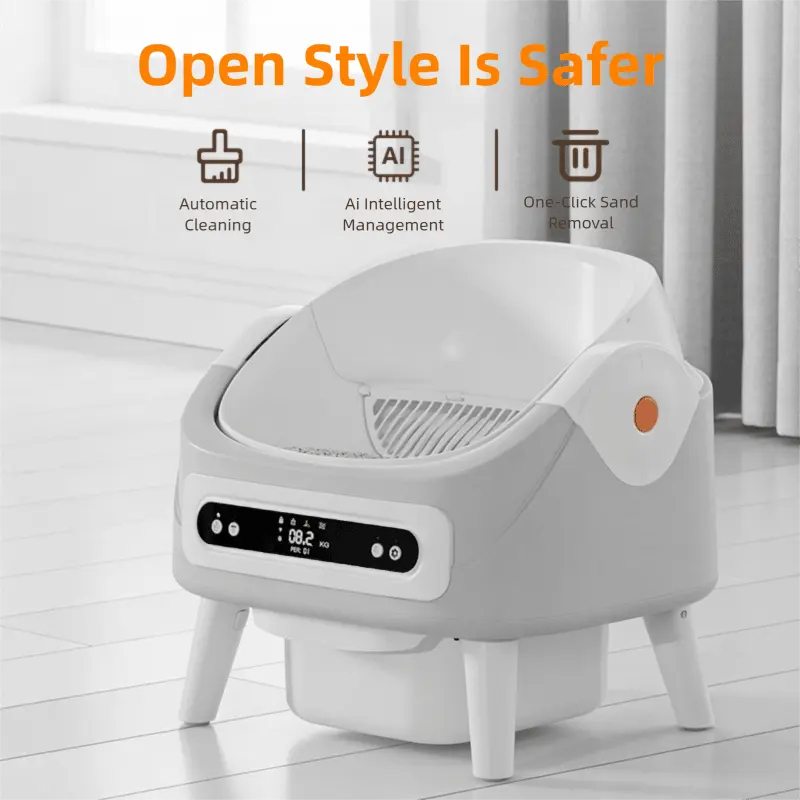
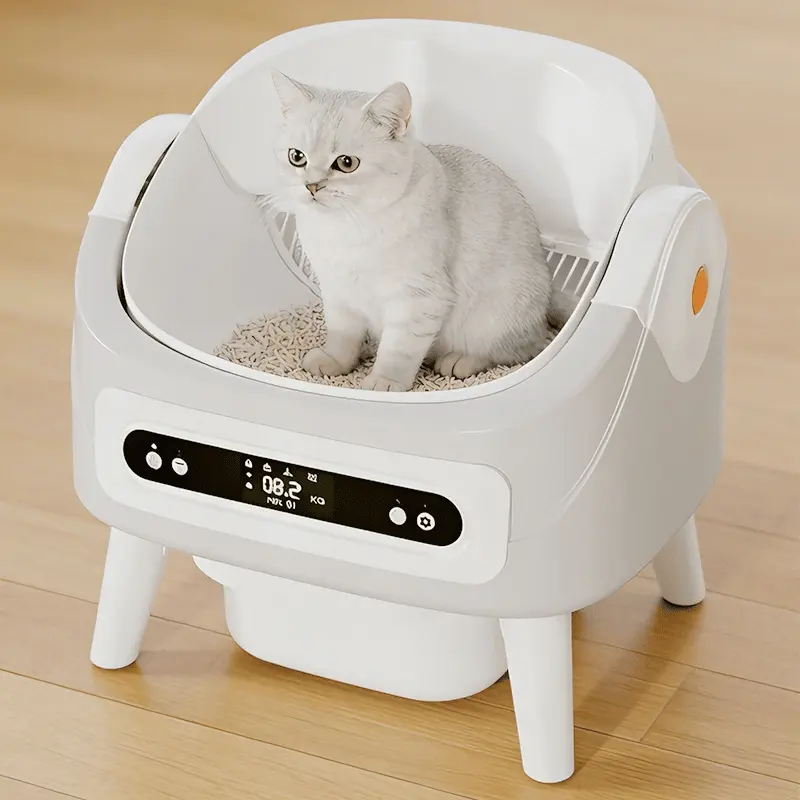
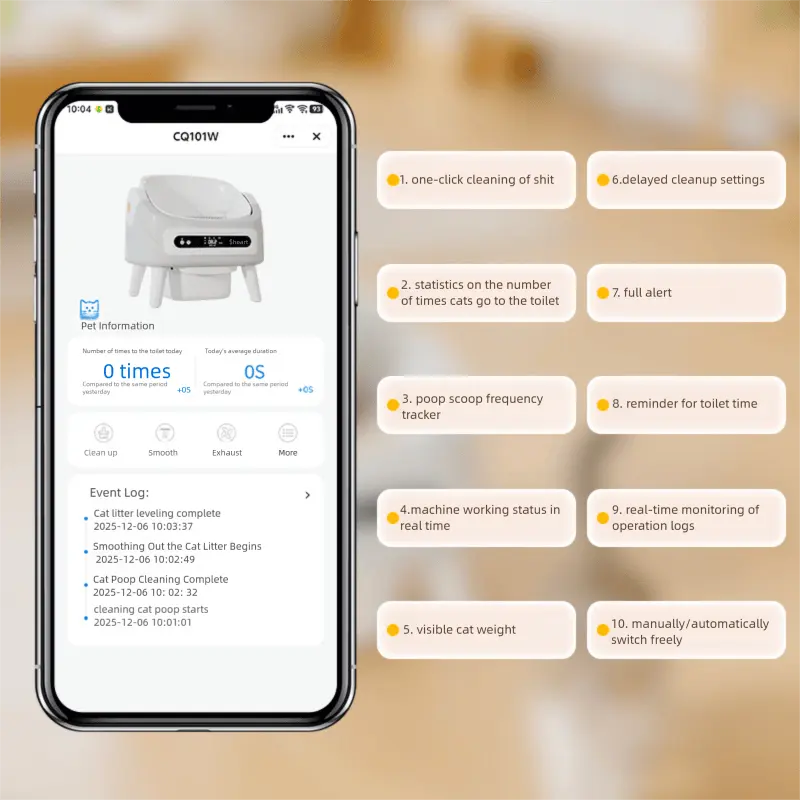
The global demand for smart pet products continues to grow, and smart cat litter boxes have become one of the fastest-growing categories in the pet tech market. For importers, distributors, and private label brands, the opportunity is attractive — but so are the sourcing risks.
Unlike traditional pet products, smart cat litter boxes combine electronics, mechanical systems, sensors, app connectivity, and safety features. This makes supplier selection and quality control far more important than simply comparing prices.
Before you import smart cat litter boxes from China or other manufacturing hubs, it is essential to evaluate the supplier beyond catalogs and product photos. A structured sourcing checklist can help reduce quality issues, shipment delays, certification problems, and after-sales disputes.
In this guide, we will explain the key areas B2B buyers should verify before placing bulk orders.
- 1. Verify the Supplier’s Manufacturing Capability
- 2. Check Product Certifications and Compliance
- 3. Evaluate the Supplier’s QC Process
- 4. Review Product Stability and Return Risk
- 5. Understand OEM and Customization Capability
- 6. Check Supply Chain Stability and Lead Time
- 7. Assess Communication and Technical Support
- 8. Request a Complete Sourcing Checklist Before Bulk Orders
- FAQ
- Q1: What is the most important factor when importing smart cat litter boxes?
- Q2: Should buyers conduct a supplier audit before ordering?
- Q3: What certifications are typically required for smart cat litter boxes?
- Q4: Is OEM customization available for low-volume buyers?
- Q5: Why is sample testing important?
- Planning Your Next Smart Pet Product Project?
- Final Thoughts
1. Verify the Supplier’s Manufacturing Capability
Many suppliers in the market are trading companies rather than actual manufacturers. While trading companies are not always a problem, buyers should clearly understand who controls production, QC, and technical support.
A reliable smart cat litter box supplier should be able to provide:
- Factory photos or videos
- Production line information
- Assembly process details
- Engineering or R&D capability
- Existing export experience
- OEM/ODM project references
For smart products, production capability directly affects product consistency and firmware stability. Factories with mature assembly lines and standardized testing procedures generally deliver lower defect rates and better long-term cooperation.
Key Questions to Ask During a Supplier Audit
- Does the supplier own the factory or outsource production?
- How many workers and production lines are available?
- What is the monthly production capacity?
- Does the supplier support OEM or light customization?
- What export markets does the factory currently serve?
- Can they provide compliance documentation for EU or North American markets?
A proper supplier audit helps buyers avoid unstable suppliers that cannot support scaling orders.
2. Check Product Certifications and Compliance
Compliance is one of the most overlooked risks when importing smart pet products.
Smart cat litter boxes usually involve:
- Electrical components
- Wireless connectivity
- Lithium batteries (for some models)
- Motion sensors
- UV sterilization modules (in some versions)
Depending on your target market, different certifications may be required.
Common Certifications Buyers Should Verify
| Market | Common Compliance Requirements |
|---|---|
| EU | CE, RoHS, REACH, ERP |
| USA | FCC, UL-related standards |
| Canada | IC certification |
| Japan | PSE, TELEC (if wireless enabled) |
| Korea | KC certification |
Buyers should request:
- Valid certification reports
- Test laboratory information
- Product model matching documents
- Packaging compliance details
- Battery transport certifications if applicable
Do not rely solely on logos printed on packaging. Always verify whether the certificates actually correspond to the shipped product model.
3. Evaluate the Supplier’s QC Process
Quality control is critical for smart cat litter boxes because defects can lead to costly returns, negative reviews, or warranty claims.
A professional supplier should have a documented QC process covering:
Incoming Material Inspection
This includes checking:
- Motors
- Sensors
- PCB boards
- Power adapters
- Plastic components
- Stainless steel parts
In-Process Testing
During assembly, factories should test:
- Sensor responsiveness
- Rotation mechanisms
- Noise levels
- Weight detection accuracy
- WiFi or app connectivity
- Power stability
Final Inspection
Before shipment, finished products should undergo:
- Functional testing
- Aging tests
- Safety checks
- Packaging inspection
- Barcode and labeling verification
For B2B buyers, requesting a QC report or third-party inspection before shipment is highly recommended.
4. Review Product Stability and Return Risk
Many importers focus heavily on pricing but underestimate after-sales costs.
A cheaper smart litter box with unstable firmware or unreliable sensors may create:
- High return rates
- Customer complaints
- Negative marketplace reviews
- Spare parts issues
- Brand reputation damage
Before placing a bulk order, buyers should evaluate:
- Product failure rate
- Historical return ratio
- Firmware update support
- Spare parts availability
- App stability
- Noise performance
- Odor control effectiveness
Requesting sample testing is essential, especially for Amazon sellers and private label brands.
Important Sample Testing Areas
- Continuous operation stability
- Multi-cat household simulation
- Sensor sensitivity
- Anti-pinch safety system
- Waste drawer sealing
- Mobile app responsiveness
Testing samples under real operating conditions helps buyers identify hidden quality risks before mass production.
5. Understand OEM and Customization Capability
Many B2B buyers require more than standard wholesale products. OEM and light customization can help differentiate products in competitive markets.
Typical customization options include:
- Private label logo
- Customized packaging
- User manual localization
- Color variations
- App branding
- Plug standards
- Material upgrades
- Stainless steel interior options
However, buyers should confirm whether customization affects:
- MOQ requirements
- Lead time
- Certification validity
- Tooling cost
- Production scheduling
Some factories support flexible low-MOQ customization, while others only accept large-volume OEM projects.
For growing brands, working with suppliers that offer scalable customization flexibility is often more practical than pursuing fully customized development at an early stage.
6. Check Supply Chain Stability and Lead Time
Supply chain stability has become increasingly important for international buyers.
Smart cat litter boxes depend on multiple component suppliers, including:
- Electronic modules
- Injection molding parts
- Motors
- Sensors
- Packaging materials
Any disruption can affect delivery schedules.
Before cooperation, buyers should ask suppliers:
- What is the standard production lead time?
- Are key components stocked regularly?
- How are production schedules managed during peak season?
- Can the supplier support repeat orders consistently?
- What is the contingency plan for component shortages?
Factories with stable procurement systems and mature production planning are generally more reliable long-term partners.
7. Assess Communication and Technical Support
Communication efficiency directly affects sourcing efficiency.
Professional B2B suppliers should provide:
- Clear quotation sheets
- Fast sample feedback
- Technical explanations
- QC documentation
- Packaging specifications
- Shipment coordination support
For smart products, after-sales technical support is especially important.
Buyers should confirm whether the supplier can assist with:
- Firmware troubleshooting
- Spare parts supply
- App-related issues
- User manual updates
- Packaging compliance revisions
Strong communication often indicates stronger project management capability.
8. Request a Complete Sourcing Checklist Before Bulk Orders
Before confirming a purchase order, buyers should prepare a sourcing checklist covering:
Supplier Verification
- Factory audit completed
- Export experience confirmed
- Production capacity verified
Product Compliance
- Certifications validated
- Market compliance confirmed
- Battery transport documents checked
Quality Control
- QC workflow reviewed
- Sample testing completed
- Inspection standards confirmed
Commercial Terms
- MOQ clarified
- Lead time confirmed
- Payment terms negotiated
- Warranty policy documented
Customization
- OEM requirements finalized
- Packaging artwork approved
- Labeling specifications confirmed
A structured sourcing process significantly reduces procurement risks.
FAQ
Q1: What is the most important factor when importing smart cat litter boxes?
Product stability and supplier reliability are usually more important than the lowest unit price. Smart products involve electronics and software, so after-sales risk should always be considered.
Q2: Should buyers conduct a supplier audit before ordering?
Yes. A supplier audit helps verify manufacturing capability, QC systems, and export experience before placing large-volume orders.
Q3: What certifications are typically required for smart cat litter boxes?
Requirements vary by market, but common certifications include CE, FCC, RoHS, REACH, and other electrical safety standards.
Q4: Is OEM customization available for low-volume buyers?
Some manufacturers support low-MOQ private label or light customization programs. Buyers should confirm MOQ, lead time, and certification impact before proceeding.
Q5: Why is sample testing important?
Sample testing helps identify functional issues, app instability, noise problems, and safety concerns before mass production.
Final Thoughts
To successfully import smart cat litter boxes, B2B buyers need more than competitive pricing. Supplier audits, QC evaluation, compliance verification, and supply chain assessment are all critical parts of the sourcing process.
Choosing a supplier with stable manufacturing capability, mature quality systems, and flexible OEM support can help importers reduce operational risk and improve long-term market competitiveness.
If you are evaluating smart cat litter box suppliers for wholesale, OEM, or private label projects, preparing a detailed sourcing checklist before ordering is one of the most effective ways to protect your business and improve procurement efficiency.