

Inside a Smart Cat Litter Box Factory: Production Workflow and Quality Control
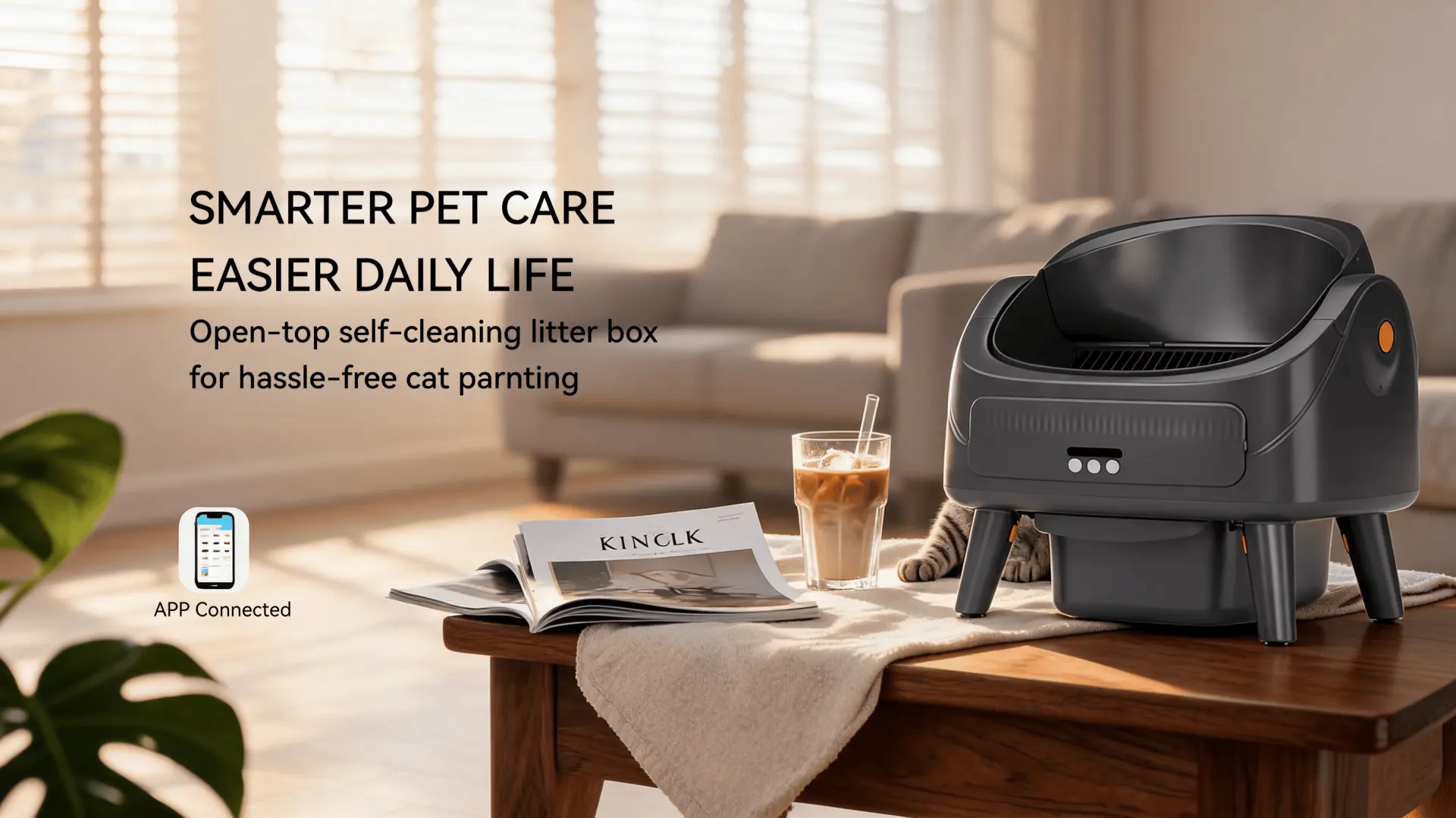
The global demand for smart pet products continues to grow, and smart cat litter boxes have become one of the fastest-expanding categories in the pet care industry. For importers, distributors, and private label brands, choosing the right smart cat litter box factory is no longer only about price. Production consistency, quality inspection standards, OEM capability, and compliance management are now critical sourcing factors.
This article provides a practical look inside a smart cat litter box factory, explaining the manufacturing process, quality control workflow, and key considerations B2B buyers should evaluate before placing orders.
- Why Factory Capability Matters in Smart Cat Litter Box Sourcing
- Step 1: Product Design and Engineering Validation
- Step 2: Raw Material and Component Inspection
- Step 3: Injection Molding and Structural Production
- Step 4: Electronic Assembly and Functional Integration
- Step 5: Functional Testing and Quality Inspection
- Step 6: Packaging and Export Preparation
- How Professional Factories Reduce Defect Rates
- Questions Buyers Should Ask a Smart Cat Litter Box Factory
- Why Supply Chain Stability Matters for Overseas Buyers
- FAQ
- What is the typical MOQ for smart cat litter box manufacturing?
- How long does smart cat litter box production take?
- What quality inspections should importers request?
- Can factories support private label customization?
- What certifications are important for Europe and North America?
- Planning to Source Smart Cat Litter Boxes From China?
- Conclusion
Why Factory Capability Matters in Smart Cat Litter Box Sourcing
Compared with traditional pet products, smart cat litter boxes involve a more complex supply chain. The product combines:
- Electronic components
- Sensors and safety systems
- Injection molded plastic parts
- Motor assemblies
- Firmware and app connectivity
- Odor control structures
- Packaging and logistics coordination
As a result, factory management directly affects product reliability, return rates, and long-term customer satisfaction.
For B2B buyers in Europe, North America, Japan, and Korea, factory transparency has become increasingly important when evaluating suppliers.
Step 1: Product Design and Engineering Validation
The manufacturing process usually starts with product engineering and structural validation.
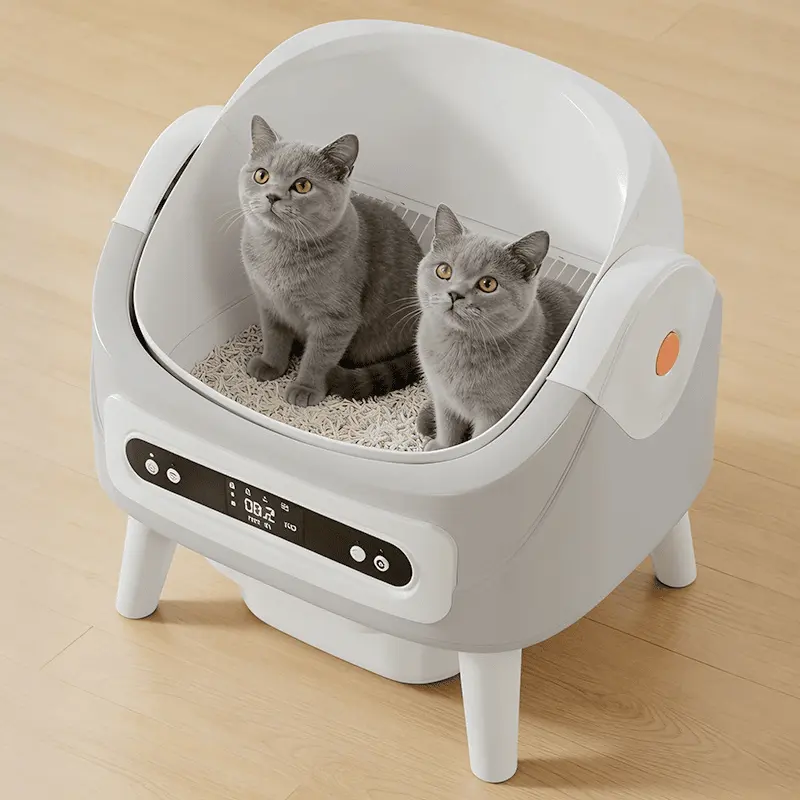
Before mass production, factories typically complete:
- 3D structural design
- Prototype development
- Internal testing
- Firmware debugging
- App compatibility checks
- Safety verification
At this stage, OEM and ODM buyers often request:
- Logo customization
- Color modifications
- Packaging design
- Localized manuals
- App language support
- Plug standard adjustments
A professional smart cat litter box factory should also conduct preliminary lifecycle testing before tooling confirmation.
Key Buyer Considerations
When evaluating suppliers, ask whether the factory can provide:
- Prototype lead times
- Mold ownership policies
- Engineering modification support
- Firmware update capability
- Spare parts management
- Certification preparation support
Factories with in-house engineering teams generally respond faster to customization requests and quality improvements.
Step 2: Raw Material and Component Inspection
The next stage involves incoming material inspection.
Because smart litter boxes contain mechanical and electronic systems, raw material quality directly affects durability and safety performance.
Typical inspected components include:
| Component | Inspection Focus |
|---|---|
| ABS/PP plastic materials | Impact resistance, odor resistance |
| Motors | Noise level, stability, lifespan |
| Infrared sensors | Detection accuracy |
| PCBA boards | Functional reliability |
| Power adapters | Voltage stability and certification |
| Stainless steel parts | Corrosion resistance |
| Packaging materials | Compression and transport protection |
Professional factories usually establish IQC (Incoming Quality Control) procedures to prevent defective components from entering production lines.
For overseas buyers, this step is especially important in reducing after-sales claims and Amazon return risks.
Step 3: Injection Molding and Structural Production
Plastic housing production is one of the most critical stages in the manufacturing process.
Factories typically use injection molding machines to produce:
- Outer shells
- Waste drawers
- Internal drum structures
- Control panel housings
- Safety covers
During this stage, manufacturers monitor:
- Mold precision
- Color consistency
- Structural deformation
- Surface finishing
- Assembly tolerance
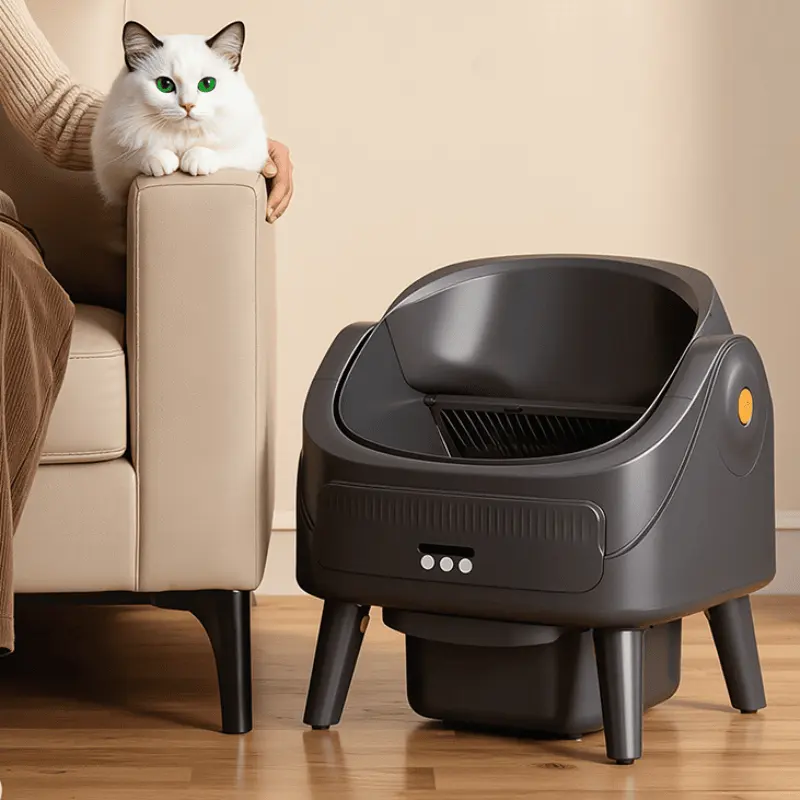
Experienced factories also optimize mold structures to improve assembly efficiency and reduce long-term defect rates.
For private label buyers, stable molding quality helps maintain consistent product appearance across multiple production batches.
Step 4: Electronic Assembly and Functional Integration
After structural parts are completed, electronic assembly begins.
This stage generally includes:
- Motor installation
- Sensor integration
- PCBA assembly
- Cable management
- WiFi/Bluetooth module installation
- Firmware programming
Since smart litter boxes involve moving mechanisms, assembly precision is essential.
Factories with mature production lines often implement SOP-based assembly systems to reduce human error and maintain consistency.
Important Quality Risks During Assembly
Common issues that quality teams monitor include:
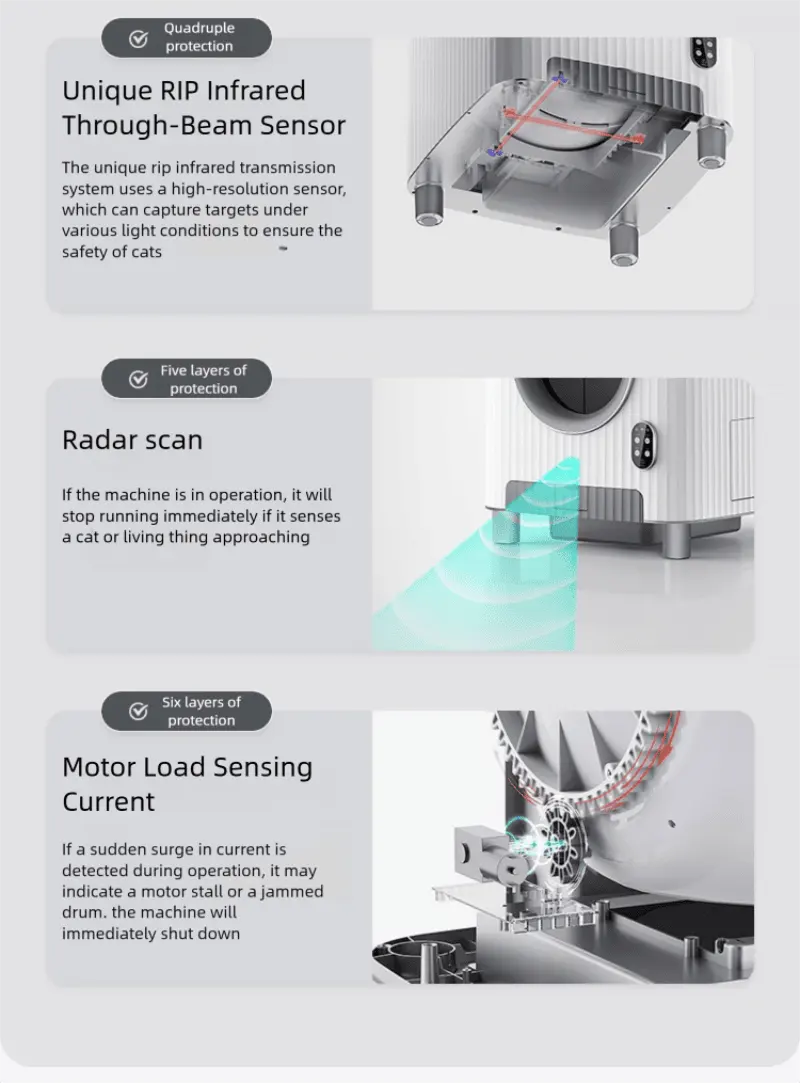
- Sensor misalignment
- Motor overheating
- Loose wiring
- Firmware instability
- Connectivity failure
- Abnormal noise during operation
For B2B buyers, requesting assembly workflow documentation can help evaluate factory management maturity.
Step 5: Functional Testing and Quality Inspection
Quality inspection is one of the most important parts of smart cat litter box manufacturing.
Reliable factories usually conduct multiple inspection stages, including:
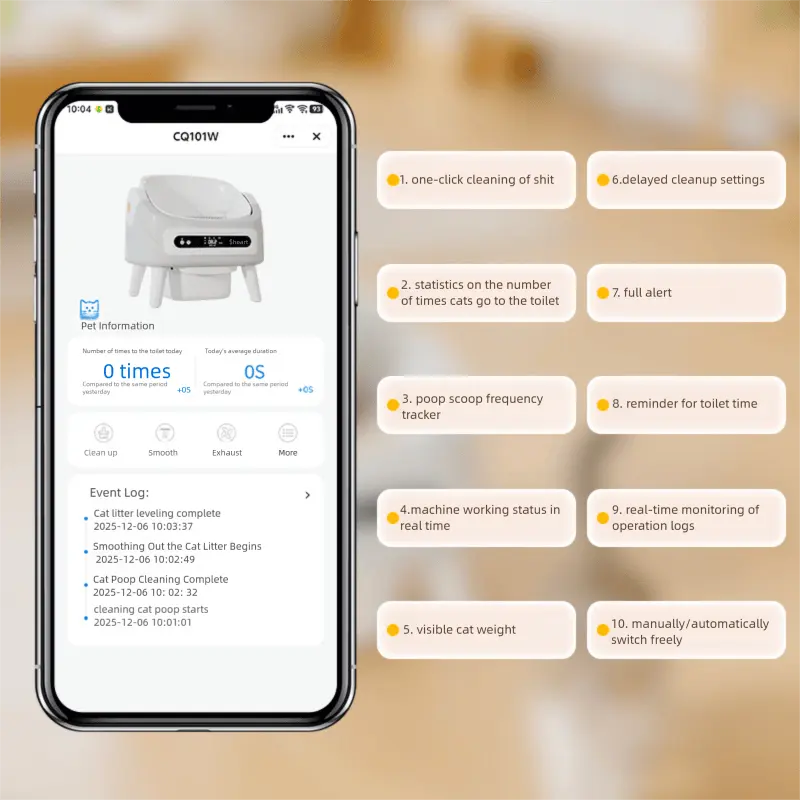
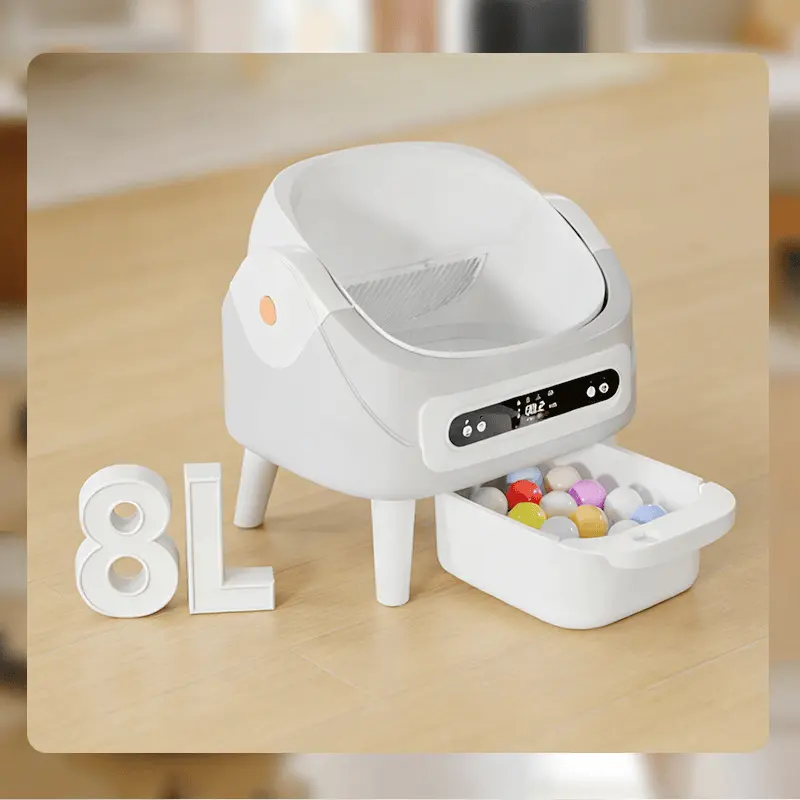
Functional Testing
Each unit may undergo:
- Auto-cleaning cycle testing
- Sensor response testing
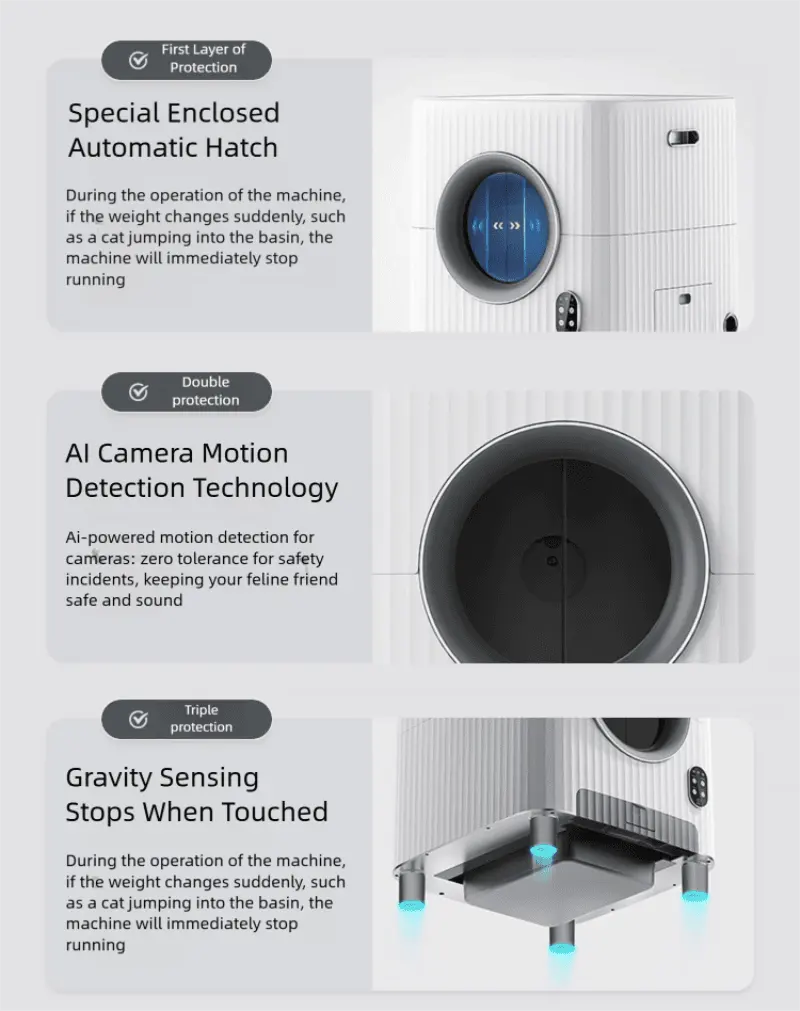
- Weight detection verification
- App connection testing
- Safety stop testing
- Power stability testing
Aging Tests
Many factories perform aging tests to evaluate long-term performance.
Typical procedures include:
- Continuous operation tests
- Motor endurance tests
- High-temperature testing
- Noise stability testing
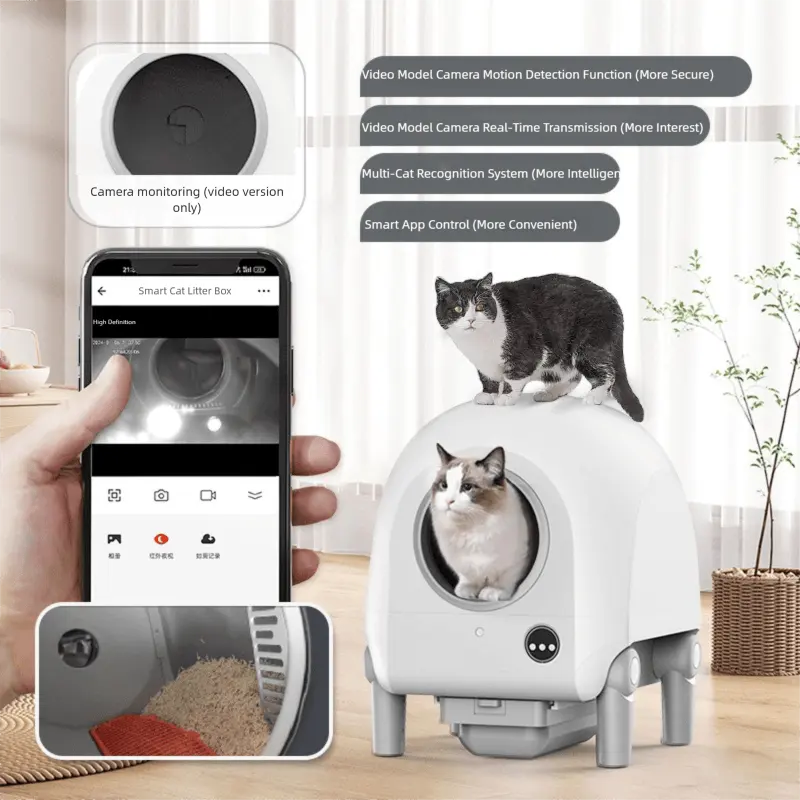
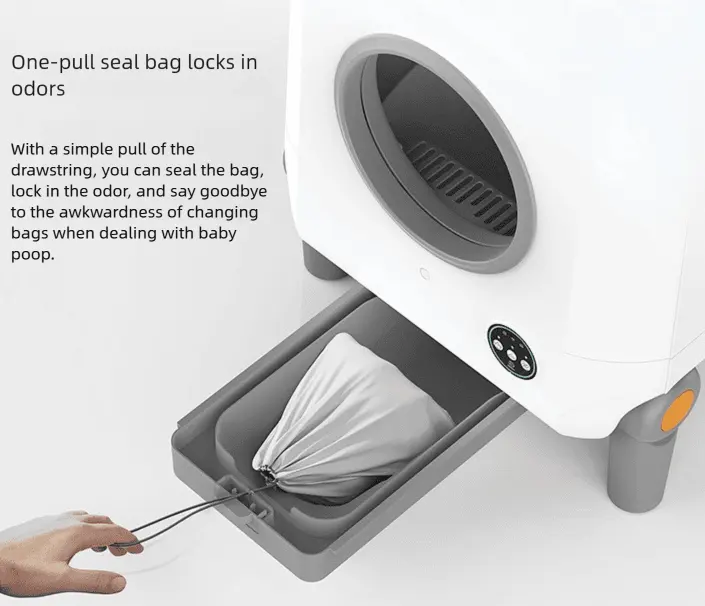
Safety Inspection
For export markets, safety compliance is critical.
Depending on destination markets, products may require:
- CE certification
- FCC certification
- RoHS compliance
- PSE certification
- KC certification
Buyers should verify whether testing reports are valid and issued by recognized laboratories.
Step 6: Packaging and Export Preparation
After passing final inspection, products move to packaging and shipment preparation.
Export-oriented factories usually support:
- Retail packaging customization
- Barcode labeling
- FNSKU labeling
- Drop test packaging optimization
- Palletization
- Container loading plans
For Amazon sellers and retail distributors, packaging quality directly affects transportation damage rates and warehouse acceptance.
Factories with export experience typically understand compliance requirements for different markets and shipping channels.
How Professional Factories Reduce Defect Rates
Low defect rates are a major concern for B2B buyers sourcing smart pet products.
Professional manufacturers generally reduce risks through:
- Standardized SOP production systems
- Incoming material verification
- Batch traceability management
- QC checkpoints during assembly
- Aging and durability testing
- Continuous firmware optimization
- Supplier qualification systems
Factories with stable supply chain management are usually better positioned to support long-term brand growth.
Questions Buyers Should Ask a Smart Cat Litter Box Factory
Before cooperation, importers and private label buyers should evaluate suppliers carefully.
Recommended questions include:
- Does the factory support OEM or ODM projects?
- What certifications are available for target markets?
- What is the average defect rate?
- How are quality inspections conducted?
- Can the supplier provide spare parts support?
- What is the sample lead time?
- Does the factory support small trial orders?
- How is firmware maintained after shipment?
- Can packaging and manuals be customized?
- What production capacity is available during peak seasons?
These questions help buyers identify suppliers with stronger operational stability and long-term cooperation potential.
Why Supply Chain Stability Matters for Overseas Buyers
In recent years, buyers have become more cautious about supply chain interruptions, inconsistent quality, and delayed shipments.
An experienced smart cat litter box factory should offer:
- Stable production scheduling
- Transparent communication
- Consistent component sourcing
- Flexible MOQ solutions
- Reliable after-sales coordination
- Scalable manufacturing capacity
For growing brands and distributors, choosing a stable manufacturing partner is often more important than choosing the lowest-cost supplier.
FAQ
What is the typical MOQ for smart cat litter box manufacturing?
Many factories support flexible MOQ options for OEM buyers, especially for trial orders or market testing projects. MOQ requirements often depend on customization level and packaging requirements.
How long does smart cat litter box production take?
Production lead times commonly range from 25 to 45 days depending on order quantity, customization complexity, and component availability.
What quality inspections should importers request?
Importers should request functional testing reports, aging test records, certification documents, and pre-shipment inspection reports before final payment.
Can factories support private label customization?
Yes. Most export-oriented factories support OEM branding, custom packaging, user manuals, and localized labeling for overseas markets.
What certifications are important for Europe and North America?
CE, FCC, and RoHS certifications are commonly required for smart electronic pet products entering European and North American markets.
Conclusion
Sourcing from a reliable smart cat litter box factory involves far more than comparing product prices. Buyers should evaluate manufacturing processes, quality inspection systems, engineering capability, and supply chain stability before making procurement decisions.
Factories with mature production workflows, strict quality control systems, and flexible OEM support are generally better equipped to support long-term brand development in competitive international markets.
For importers, distributors, and private label brands, understanding how a factory operates internally can significantly reduce sourcing risks and improve long-term business performance.