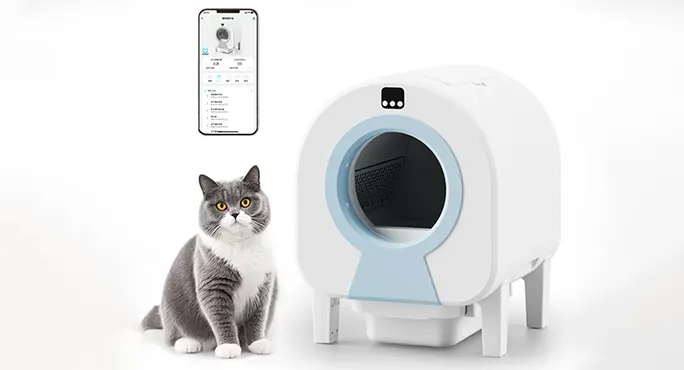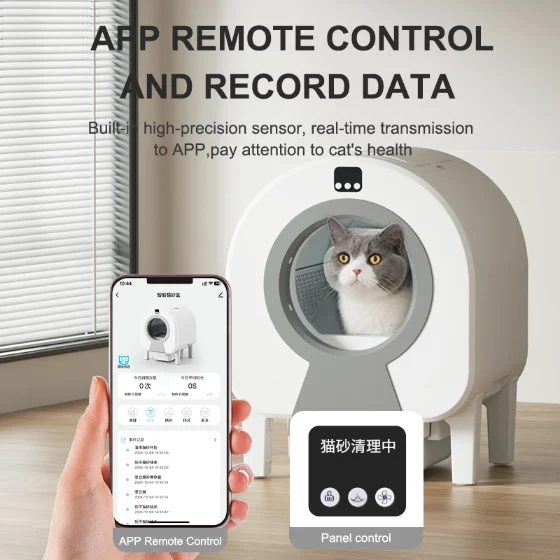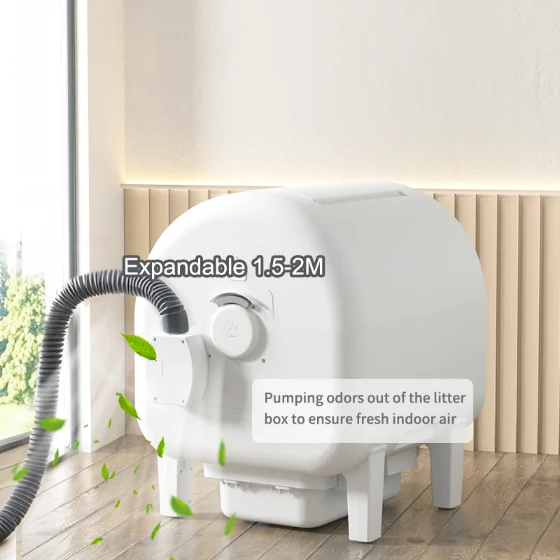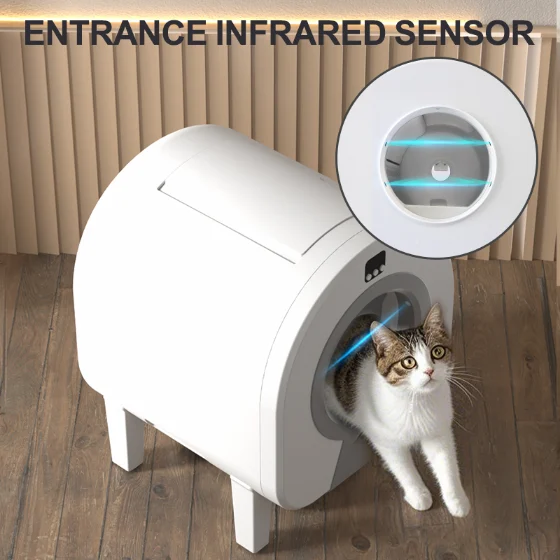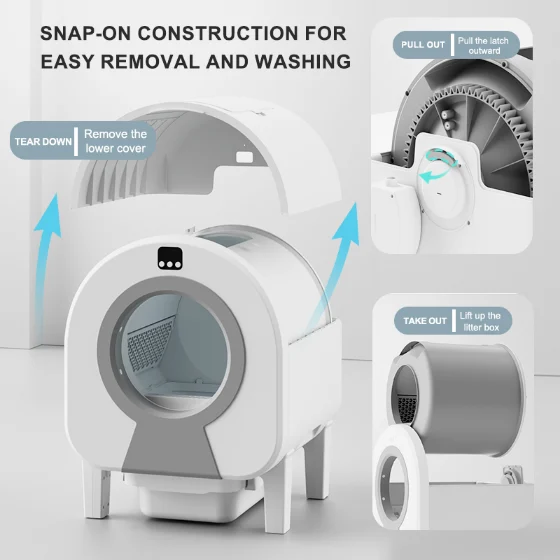


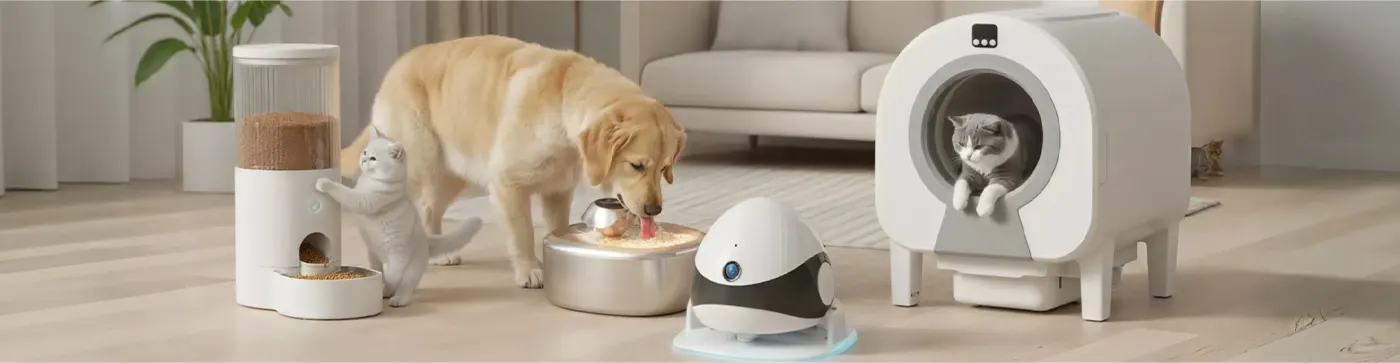
Cat Litter Box
A Brief Analysis of the Rapid Development and Future Trends of Smart Litter Boxes in the U.S. Market
The United States, as the largest market for smart litter boxes, has become a highly competitive space, driven by its 86 million cat-owning households and mature consumer base. The fully automatic self-cleaning litter box market reached $1.2 billion in 2024 and is projected to grow to $2.5 billion by 2033, achieving a CAGR of 9.2%. By 2025, the smart litter box segment is expected to reach $1.09 billion, accounting for 42.7% of the global market. Current market penetration remains below 10%, significantly lower than the 34% adoption rate of smart feeders, indicating substantial growth potential.
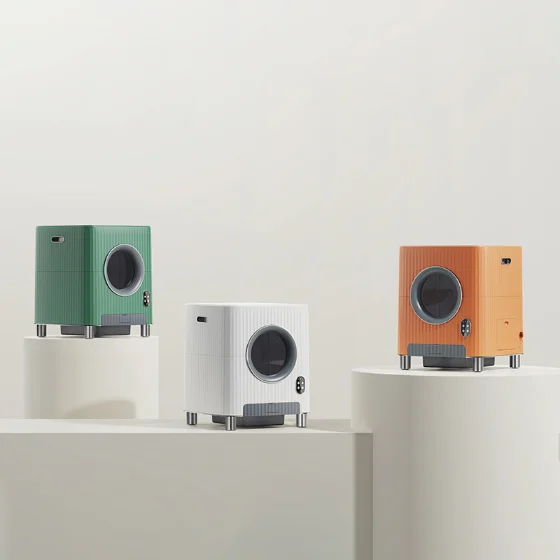
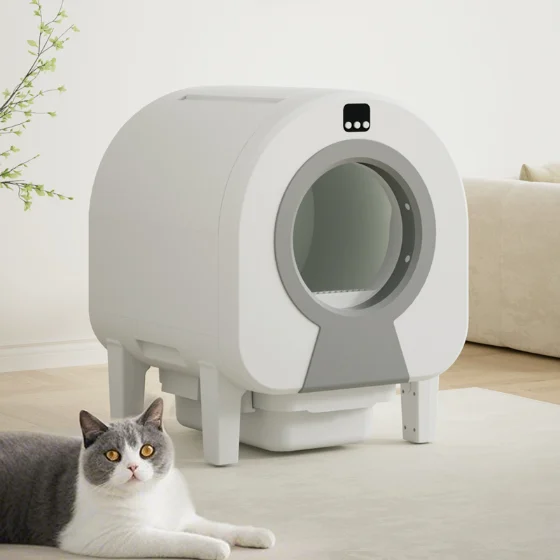
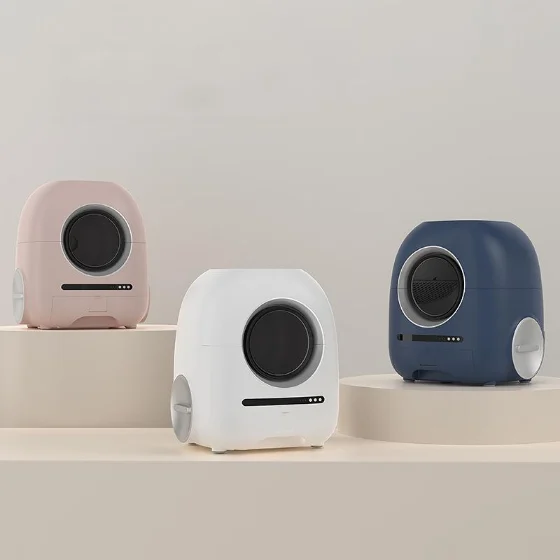
Market Expansion Drivers
The market's growth is fueled by three key factors:
- Synergistic Demand: Rising demand for odor control, space-saving solutions, and health monitoring features.
- Demographics: Working professionals aged 25-45 (66% of users) prefer automatic cleaning, while 72% of Gen Z favors smart controls.
- Distribution Channels: Online sales account for 63% of the market, with Amazon as a primary platform. Subscription models are also a key factor, driving a 45% repurchase rate.
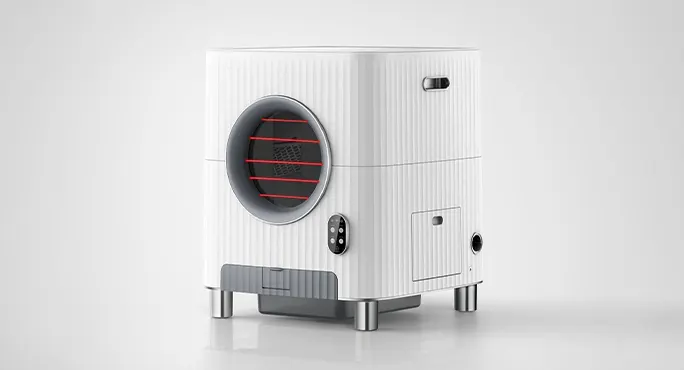
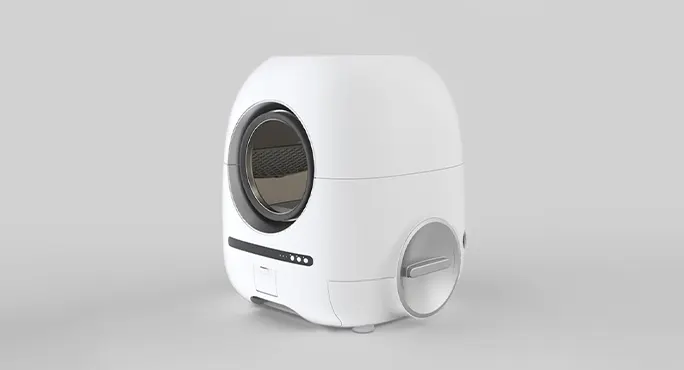
Target Audience
- Apartment Cat Owners: 62% of them seek odor control and space-saving solutions.
- Health-Conscious Consumers: 78% are willing to pay a premium for health monitoring features.
- Multi-Cat Households: 38% of multi-cat households require large-capacity designs.
Competitive Landscape

Premium Segment
Litter-Robot dominates the high-end market (45%) with products priced above $1,000, offering advanced features and premium quality.

Mid-Range Segment
Brands like PetKit focus on the $500-$800 price range, offering automatic cleaning, odor control, and reliable performance at an accessible price.

Affordable Alternatives
Chinese brands like Feline Care provide functional alternatives in the $300-$500 range, offering essential features at a competitive price.

Mass Market
Chongke Xing captures 15% of the mass market with products priced between $200 and $300, focusing on affordability and basic functionality.

Local vs. Cross-Border Brands
Local brands create barriers with patents and partnerships, while cross-border brands must enhance localized services to better compete.
Technological Compliance & Innovation
- Regulatory Requirements: Wireless modules require FCC certification.
- Technological Features: Anti-pinch sensors (≤0.1 seconds) and 7-day battery backup are standard features. Premium models feature AI health monitoring, commanding an 80% price premium.
Current challenges include an average price point of $400-$800 and 32% consumer safety concerns. Future upgrades will focus on health diagnostics, eco-friendliness, and smart home integration.