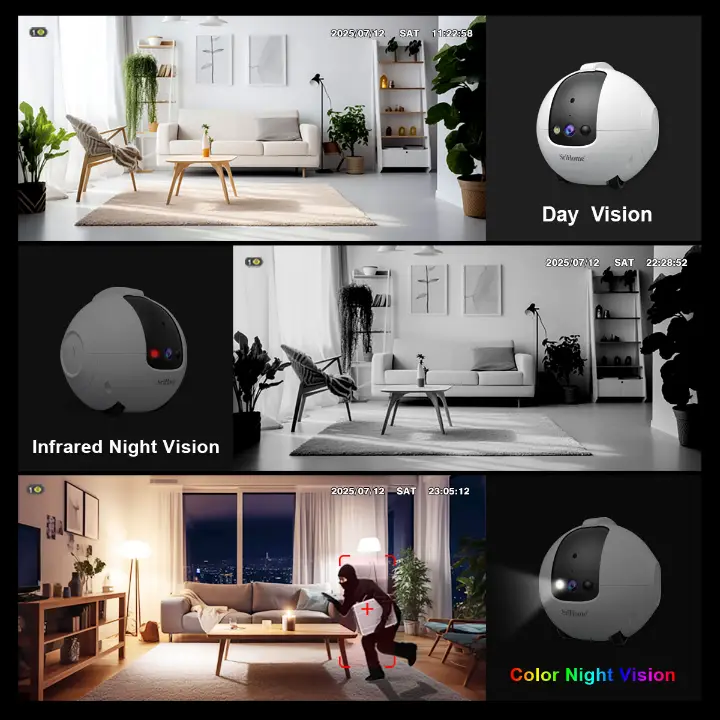


Pet Camera

Pet Camera
Key Insights Summary of the North American Pet Companion Camera Robot Market
North America is the core market for pet emotional consumption. Pet companion robots, leveraging their “remote interaction + emotional comfort” value proposition, have emerged as the fastest-growing category within the smart pet care sector. The market size reached $2.23 billion in 2024, growing 29.7% year-over-year. Projected to surpass $8.5 billion by 2029 with a 30.5% CAGR, the U.S. holds 88% market share. Canada emerges as a growth driver with 35% annual expansion, currently at just 15% penetration rate, indicating vast growth potential.
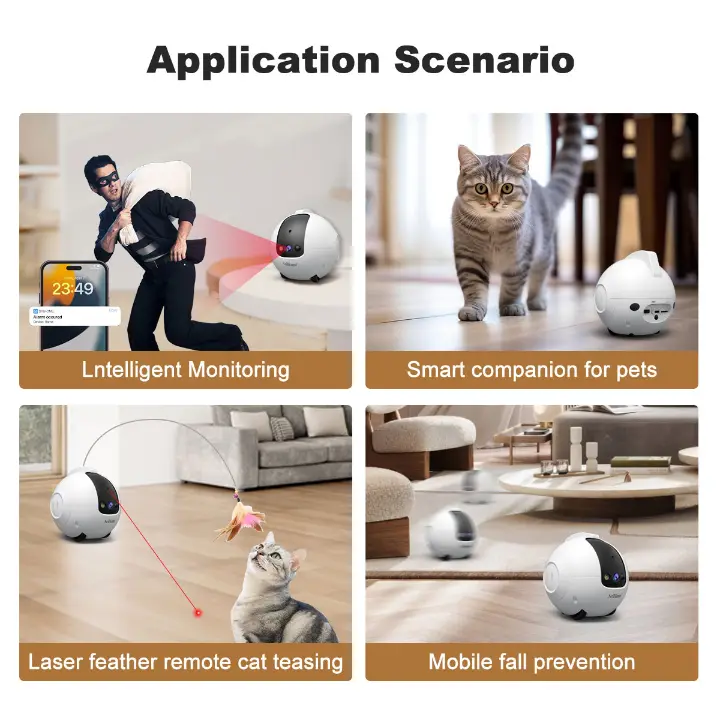
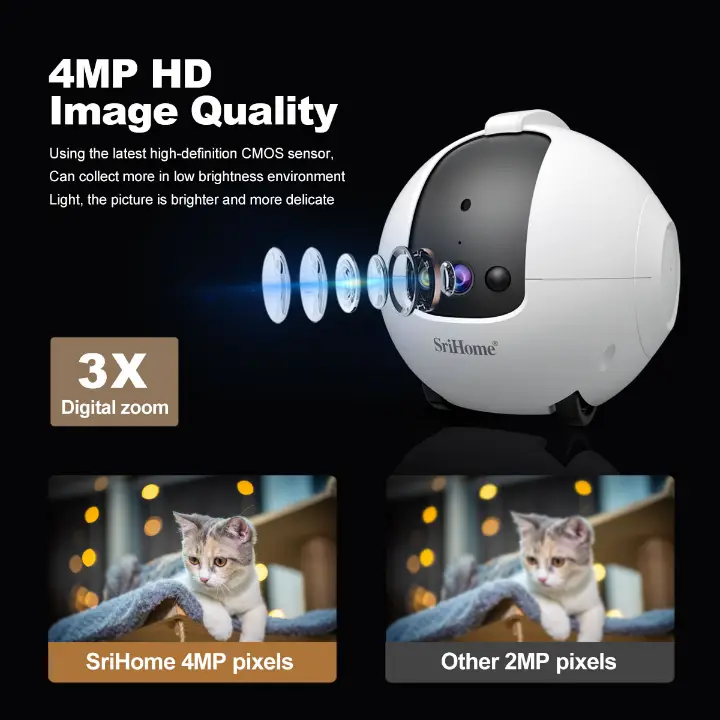
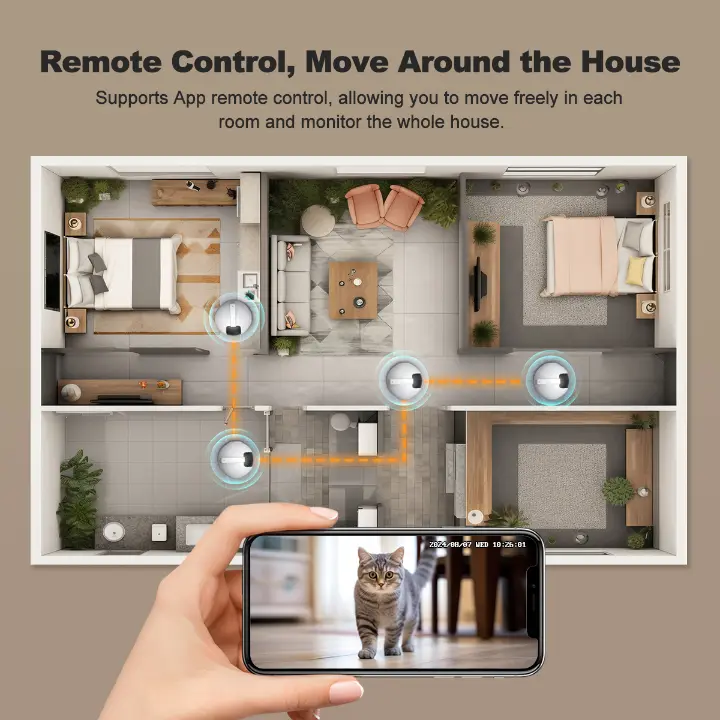

Market Growth Drivers
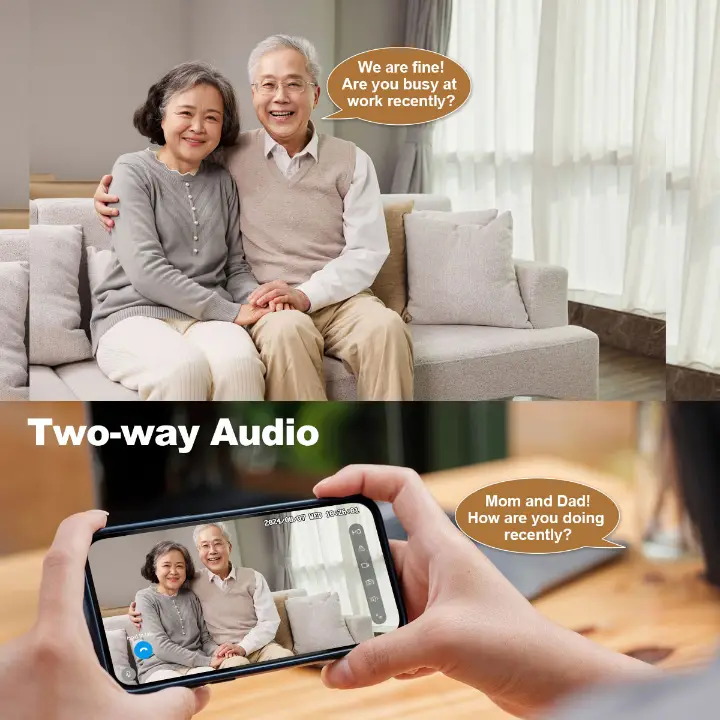
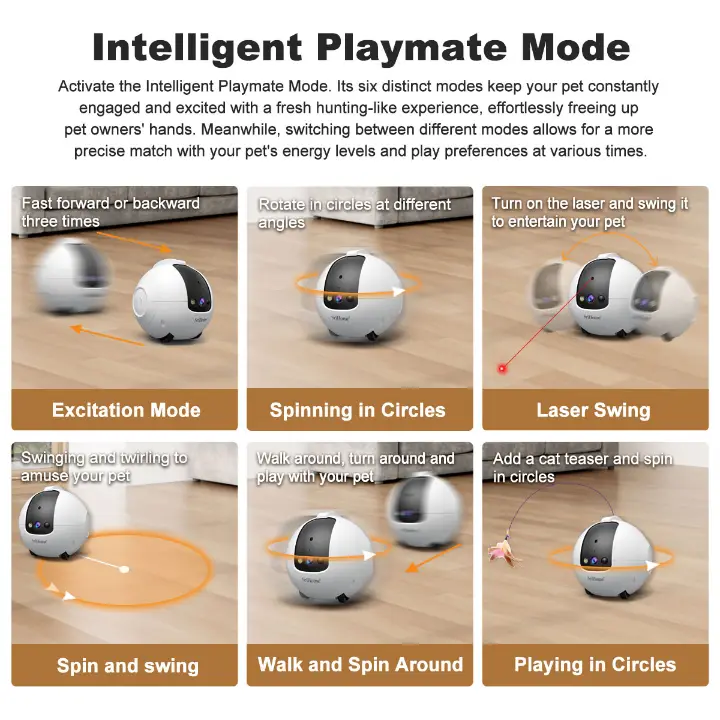
- Consumer Demand: Shifting from basic care to high-quality emotional interaction, with 93% of consumers purchasing robots to alleviate pet loneliness.
- Core Demographics:
Urban single professionals (52%)
Senior pet owners (23%)
High-end pet households (15%) - Technological Advancements: AI visual recognition and 5G are driving product innovation.
- Distribution Channels: 81% e-commerce penetration, complemented by offline experiential marketing.

Competitive Landscape

International Tech Giants
iRobot, Sony dominate 38% of the premium market.

North American Local Brands
Furbo, Petcube capture 27% with localized designs.

Chinese Cross-Border Brands
Xiaomi ecosystem, Chongkexing capture 23% of the mid-range market with high cost-effectiveness.

Niche Brands
Wagz, EcoPaw focus on vertical segments, holding 8% market share.
Market Entry Barriers
- Compliance: Products must meet certifications such as UL 60335, CCPA, and FCC.
- Technical Standards: AI recognition accuracy ≥95% and response latency ≤0.5 seconds.
- Challenges: High R&D costs, difficulty in achieving emotional resonance, and significant patent barriers.
Future Trends & Upgrades
- Emotional Interaction: Future upgrades will focus on deepening emotional connections between pets and robots.
- Scenario Integration: Advancements in integrating functional scenarios.
- Localized Customization: Focus on advancing localized customization for specific markets.