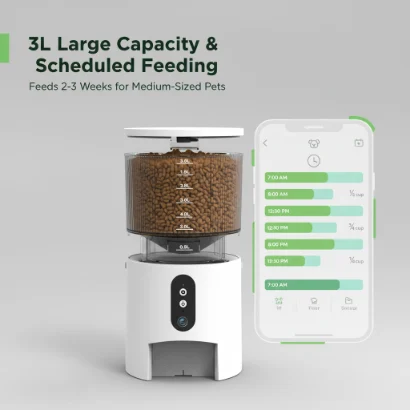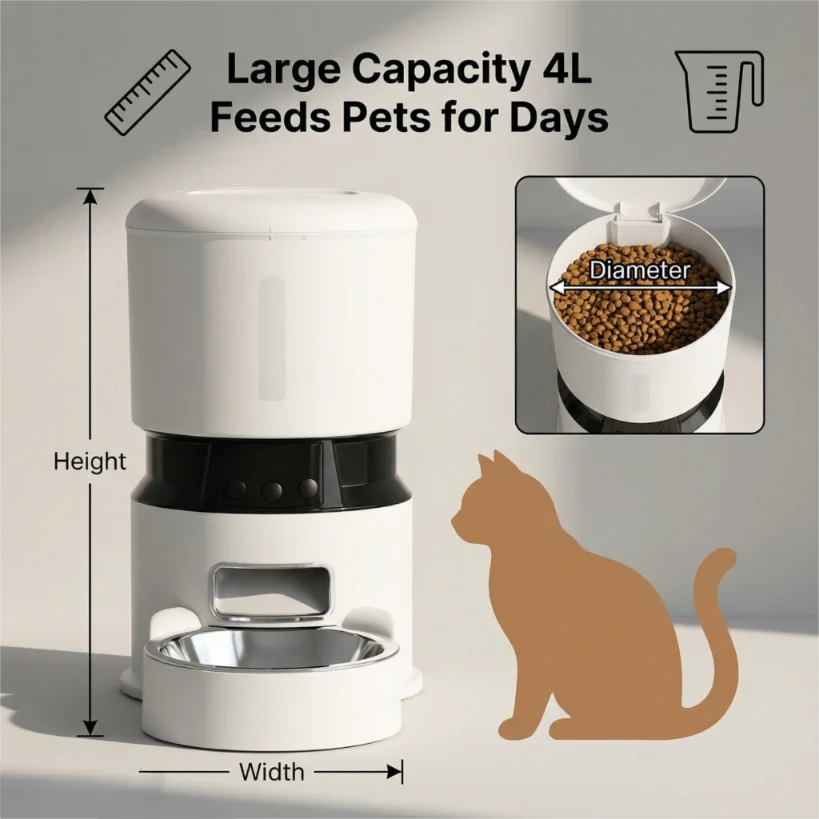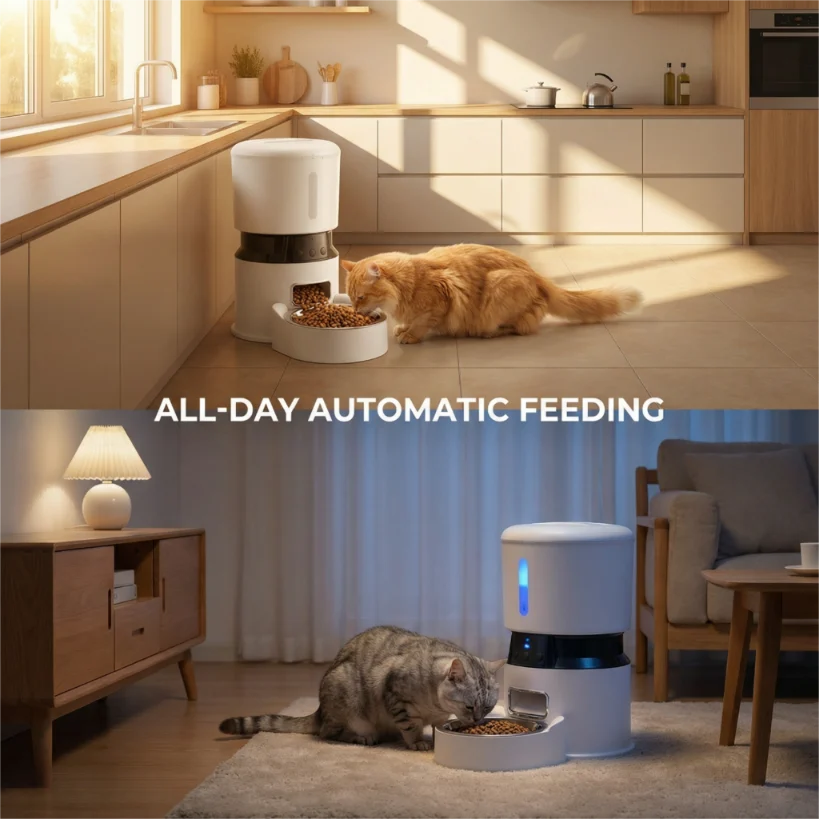


Pet Feeder
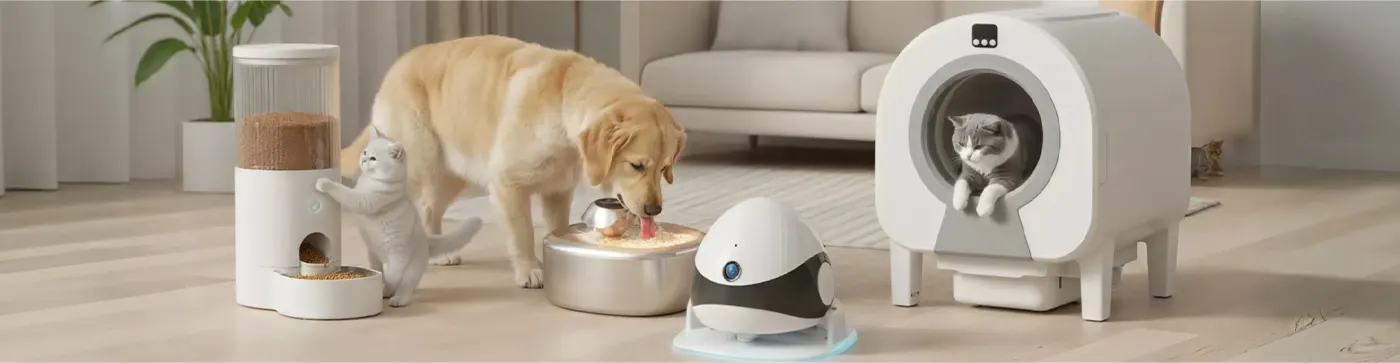
Pet Feeder
A Brief Analysis of the Overall Market Landscape for Smart Pet Feeders in Europe
Europe, as a mature market for smart pet products, represents a strategic high ground for smart feeder brands. In 2024, the market size reached €1.12 billion, growing 14.8% year-on-year, with mid-to-high-end models accounting for over 70% of sales. Projections indicate the market will surpass €2.3 billion by 2029, achieving a compound annual growth rate (CAGR) of 15.2%—significantly higher than the 3.5% growth rate of traditional pet supplies. The regional landscape features “Western Europe's dominance and Northern Europe's rise,” with Germany, the UK, and France contributing 68% of the market share. Northern Europe is experiencing an 18% growth rate, while its 22% penetration rate indicates significant room for expansion.
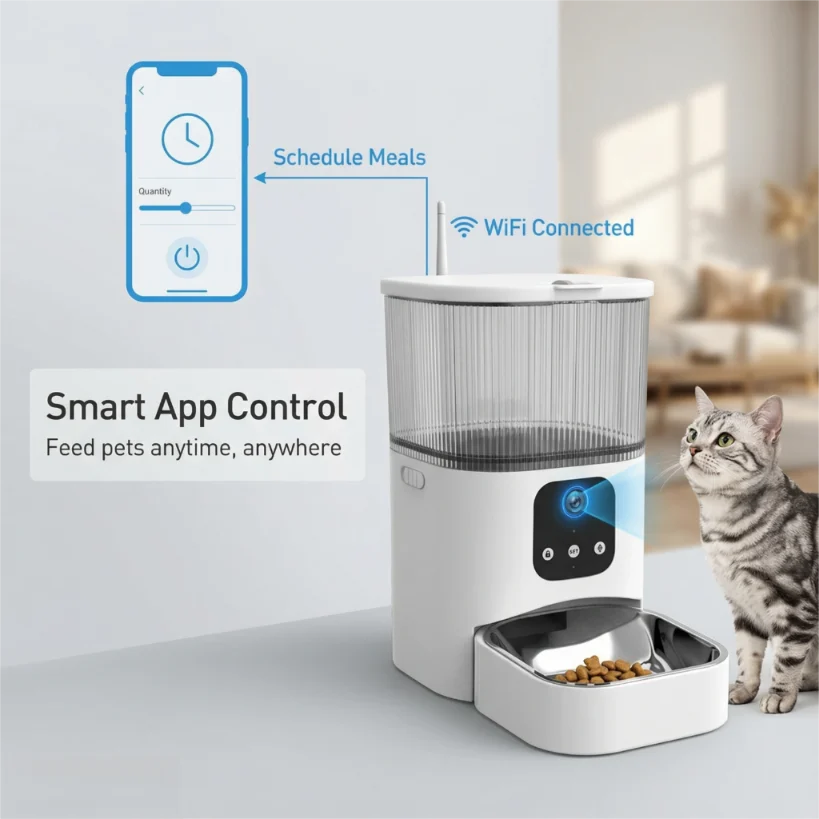
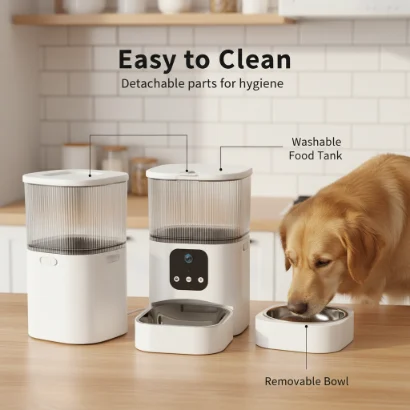
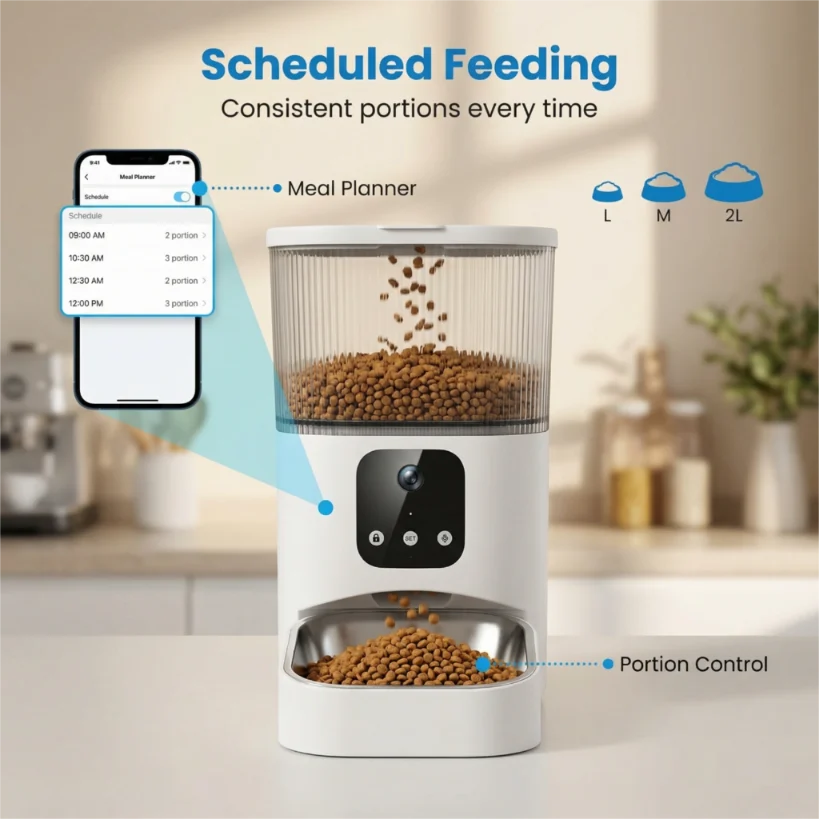
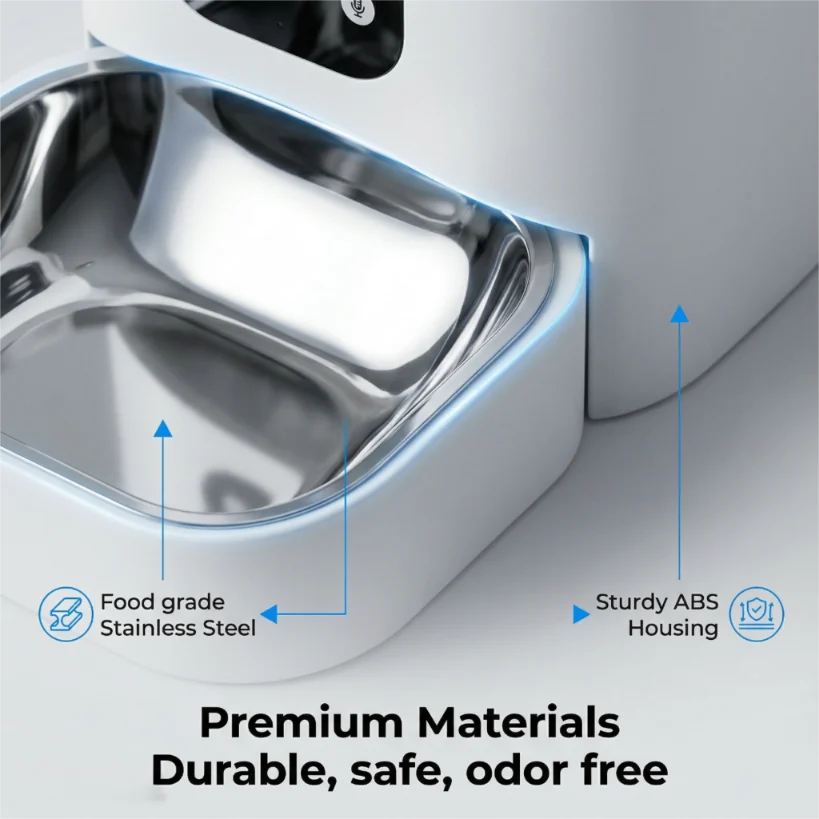
Market Expansion Drivers
- Consumer Demand: Evolving from basic feeding to “scientific feeding,” with 85% of consumers prioritizing feeding precision.
- Willingness to Pay Premium: 72% of consumers are willing to pay more for health tracking features.
- Core Consumers: Middle-to-high-income women (30-45 years, 55%) and seniors (over 55 years, 25%). Multi-pet households drive growth for portion-controlled models.
- Policy Impact: The EU Pet Welfare Act and REACH regulations compel demand and material upgrades.
- E-Commerce Growth: 65% of sales occur through e-commerce, with online marketing driving expansion.

Competitive Landscape

Local Premium Brands
Brands like Germany’s Fressnapf dominate the market with 48% share, focusing on quality and distribution channels.

Cross-Border Brands
Chinese brand Petkit captures 32%, excelling through cost-effectiveness and functional innovation.

Niche Brands
Smaller players like Switzerland's EcoPaw account for 5%, focusing on eco-friendly and specialized segments.

Compliance & Technology
- Regulatory Requirements: Compliance with CE, EU No 10/2011, and GDPR is essential.
- Technical Requirements: Anti-clogging rates, noise levels, and other stringent technical standards are key barriers to entry.
- Current Challenges: High certification R&D costs and significant regional consumption disparities remain challenges.
Future Trends & Upgrades
- Eco-Friendly Products: Expected to reach 40% market share by 2027.
- Precision Feeding Models: Focus on pets with health conditions.
- Smart Device Integration: Future upgrades will focus on integrating smart feeders into a broader pet care ecosystem.