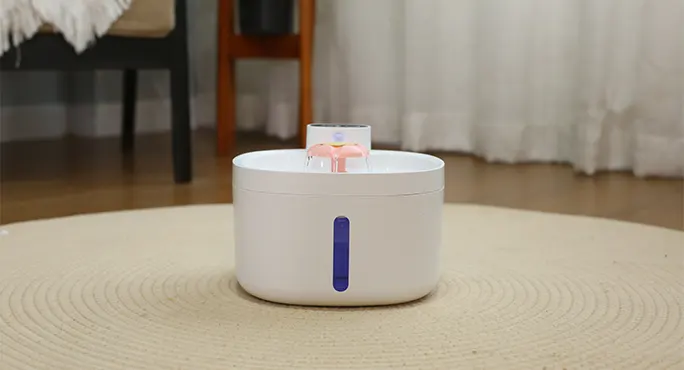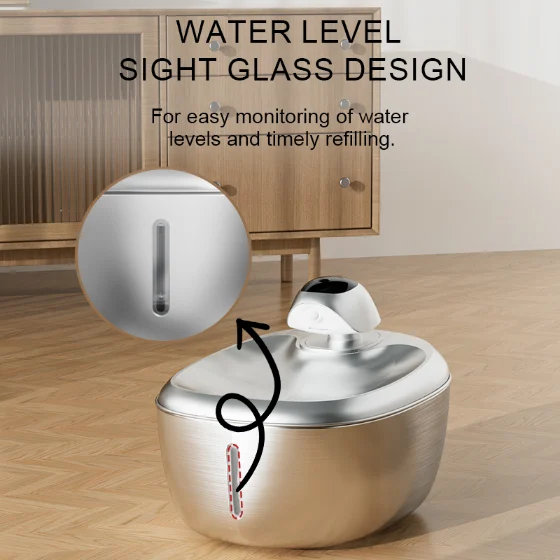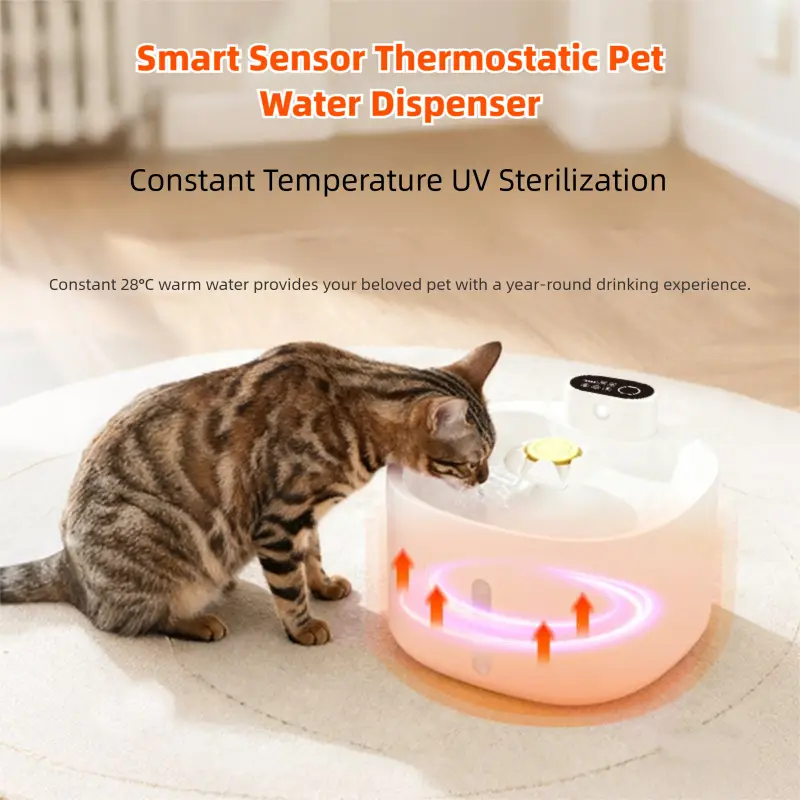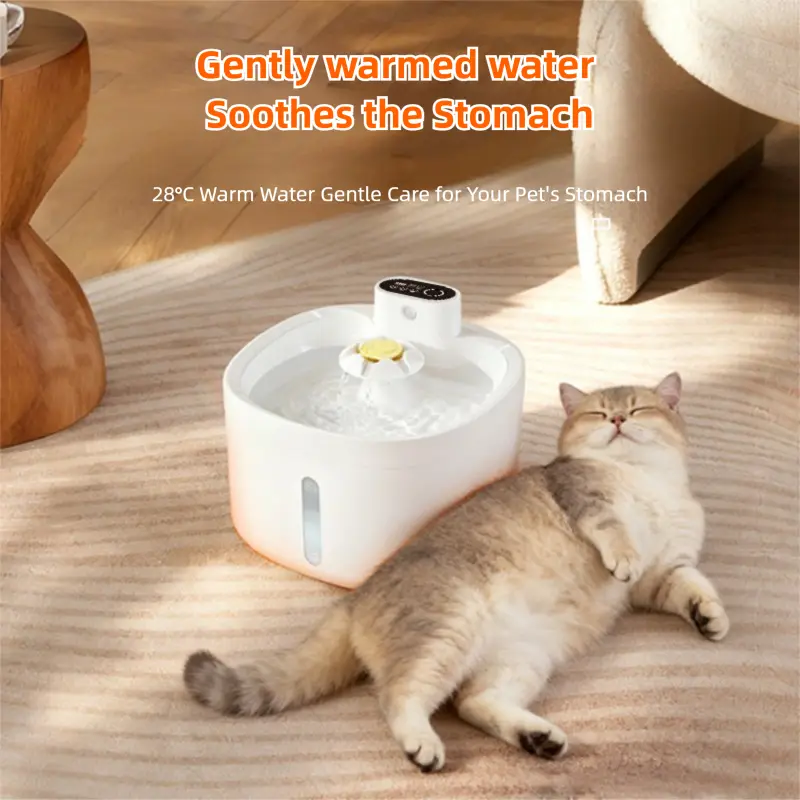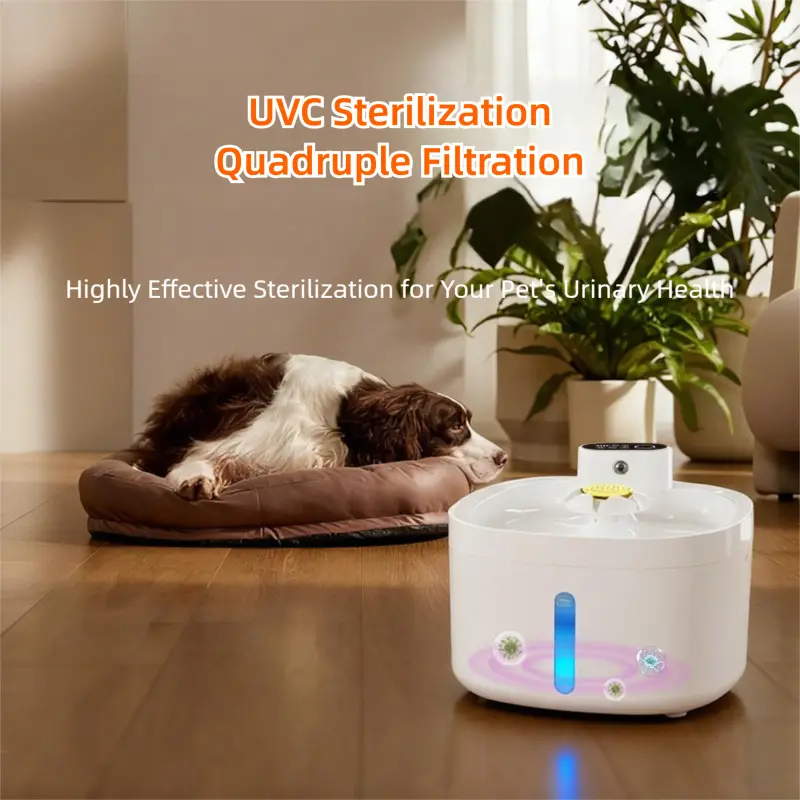


Pet Drinking Fountain

Pet Drinking Fountain
A Brief Analysis of the Overall Landscape of the European Pet Water Fountain Market
Europe is a mature market for the pet industry and a strategic stronghold for pet automatic water dispenser brands. In 2024, the market size reached 860 million euros, marking a 12.3% year-on-year increase, with smart models accounting for over 65% of sales. It is projected to surpass 1.5 billion euros by 2028, achieving a compound annual growth rate (CAGR) of 11.5%. Regionally, Germany, the UK, and France contribute 62% of the market share (Germany leading at 23%), while Northern Europe emerges as a growth engine with a 15% expansion rate. This growth is fueled by a base of 76 million pet-owning households (41% owning dogs or cats, 68% viewing pets as family members) and an 18% penetration gap representing untapped growth potential.
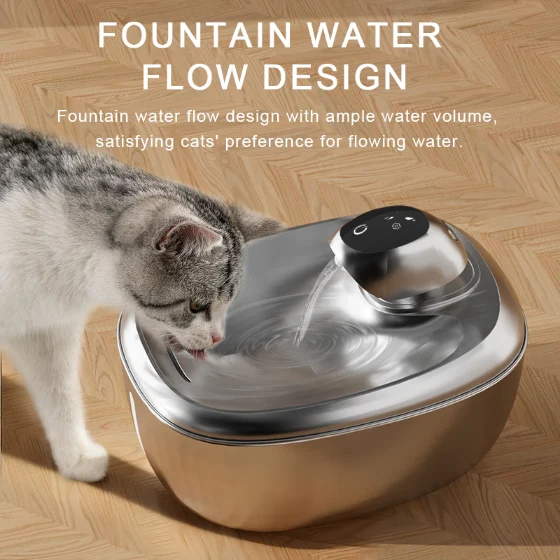
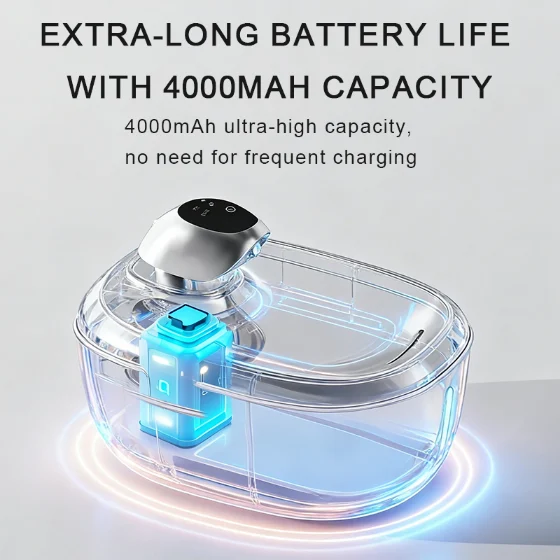
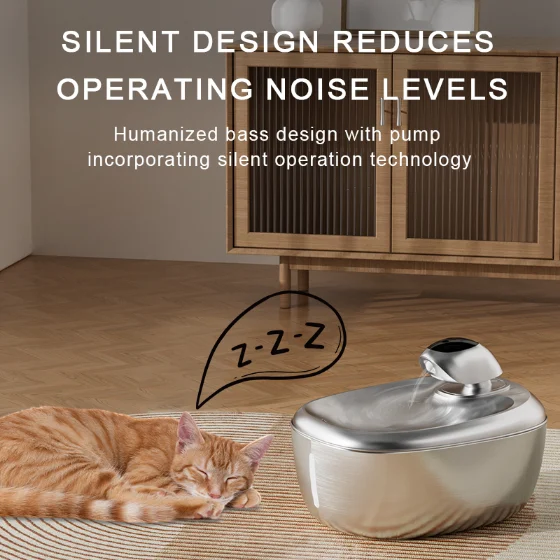
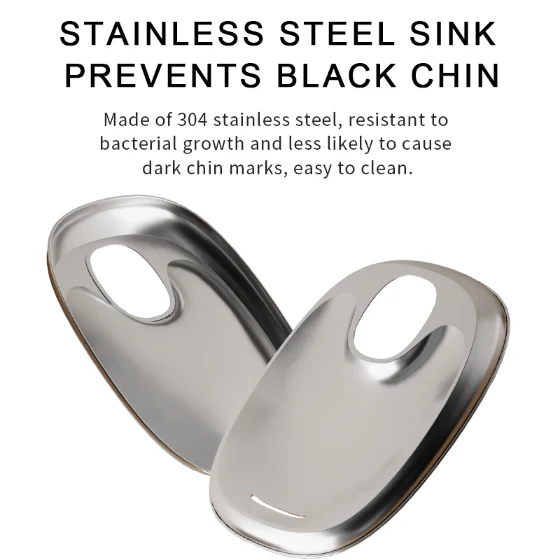
Market Drivers
- Consumer Demand Shift: Demand has evolved from basic hydration to health management, with 83% prioritizing water quality safety.
- Willingness to Pay Premium: 67% of consumers are willing to pay more for features like live water filtration and UV sterilization.
- Demographic Segmentation:
- Middle-class women (30-45 years, 52%) favor mid-to-high-end models.
- Seniors over 55 (28%) prefer large-capacity, easy-to-clean designs.
- Policy Impact: EU REACH regulations drive the adoption of eco-friendly materials, while the Animal Welfare Act strengthens health requirements, further boosting equipment demand.
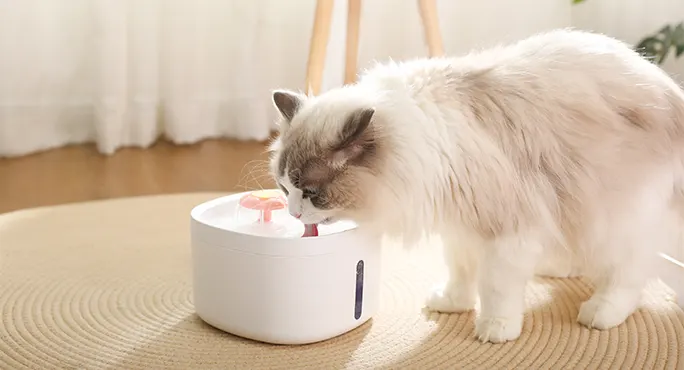
Competitive Landscape

Domestic Premium Brands
Brands like Germany’s Fressnapf dominate the market with 48% share, focusing on quality and distribution channels.

Cross-Border Brands
Brands like Petkit (China) and PetSafe (US) capture 30% through cost-effectiveness and localization efforts.

Niche Brands
Smaller players like Sweden’s Lilla Djur focus on specialized segments, capturing 5% of the market.

Regional SMEs
Other regional small and medium enterprises divide the remaining fragmented market share.
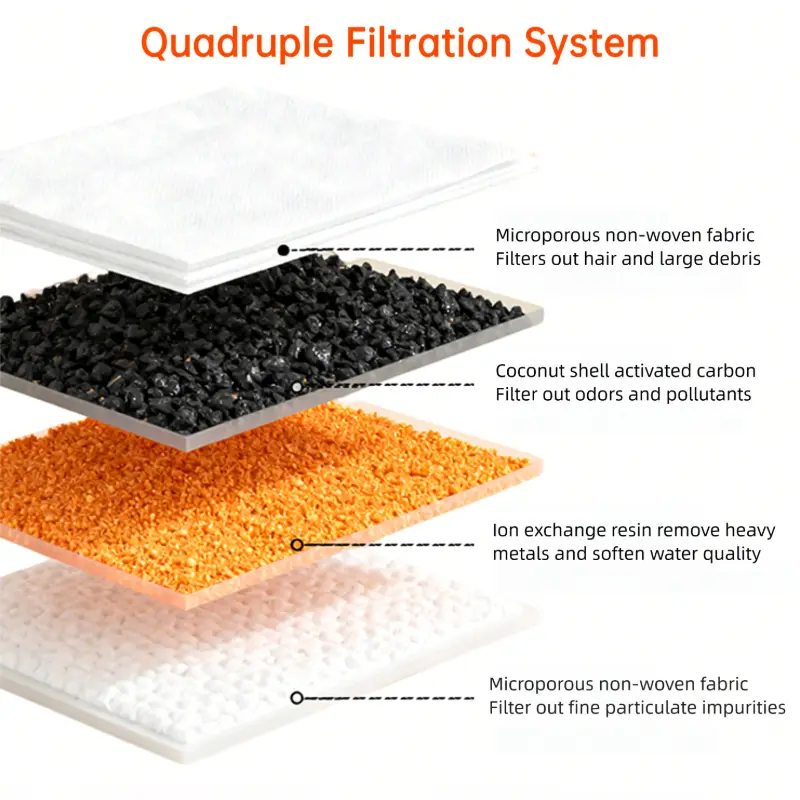
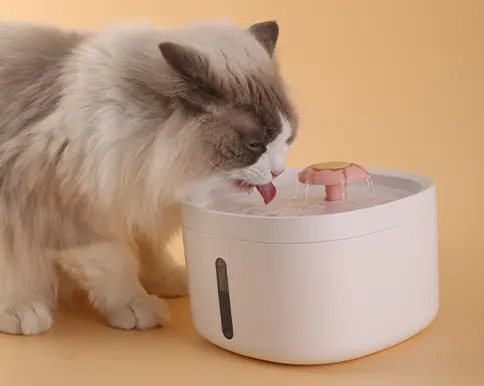
Compliance & Technology
- Certification & Testing: Products must pass CE certification and material testing; smart models require GDPR compliance.
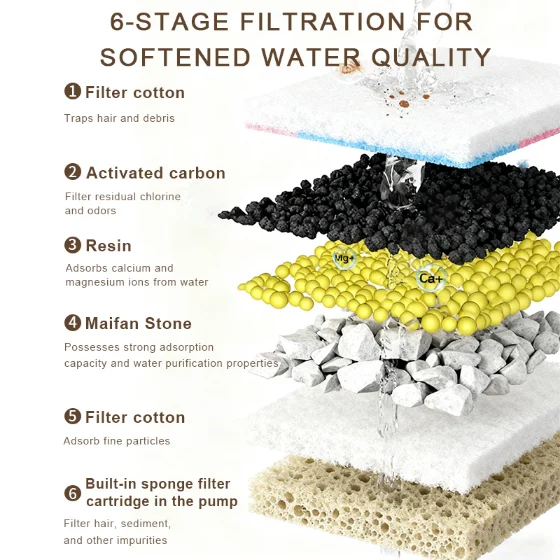
- Technical Standards: Quiet operation (≤30 dB) and anti-choking features are mandatory, with premium models integrating health functions like water quality monitoring.
- Challenges: High compliance costs and long certification cycles (3-6 months), along with significant regional variations in price sensitivity.
Future Trends & Upgrades
- Environmental Sustainability: 35% of models are expected to be biodegradable or energy-efficient by 2027.
- Precision Health Features: Customized models tailored to specific health needs will become more prevalent.
- Scenario Integration: The rise of smart suites that integrate with other pet care products and smart home systems.