


Key Questions to Ask Before Sourcing Rechargeable Heated Lunch Boxes in Bulk
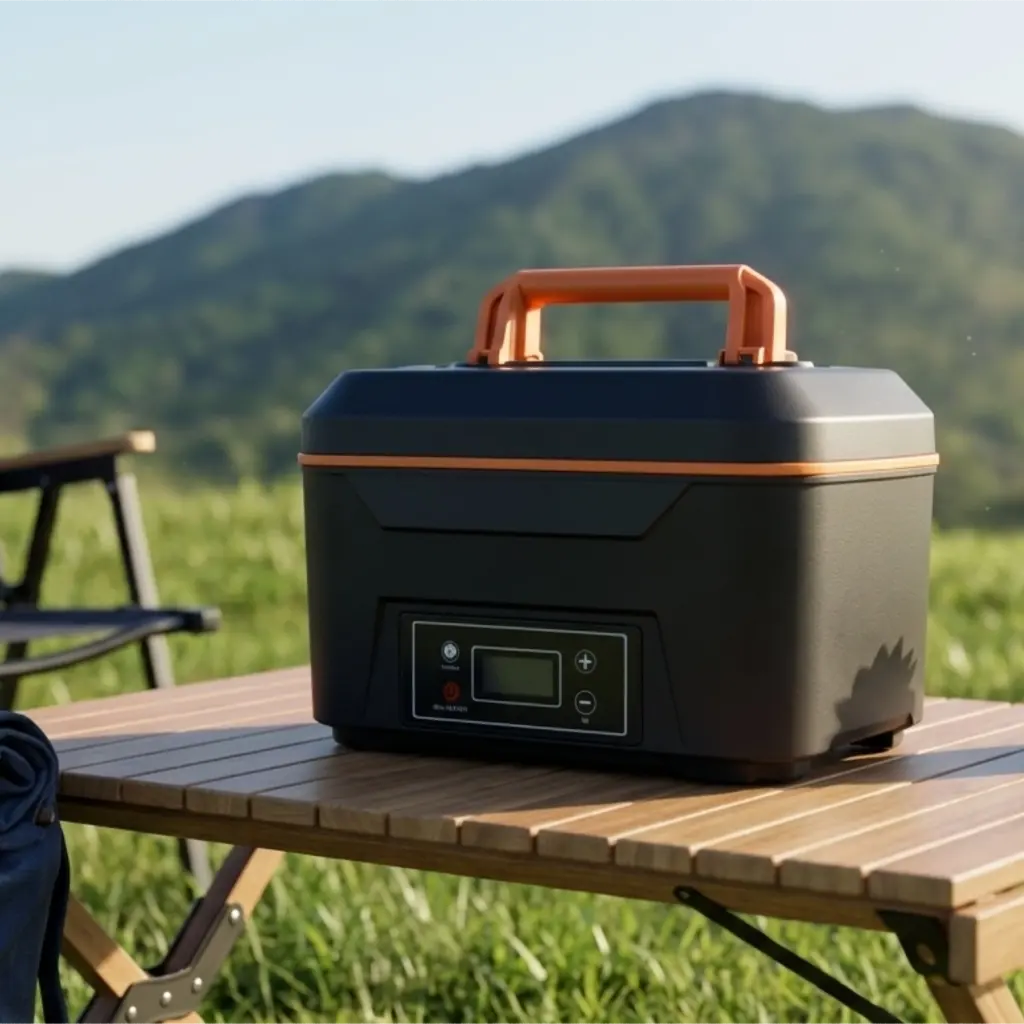
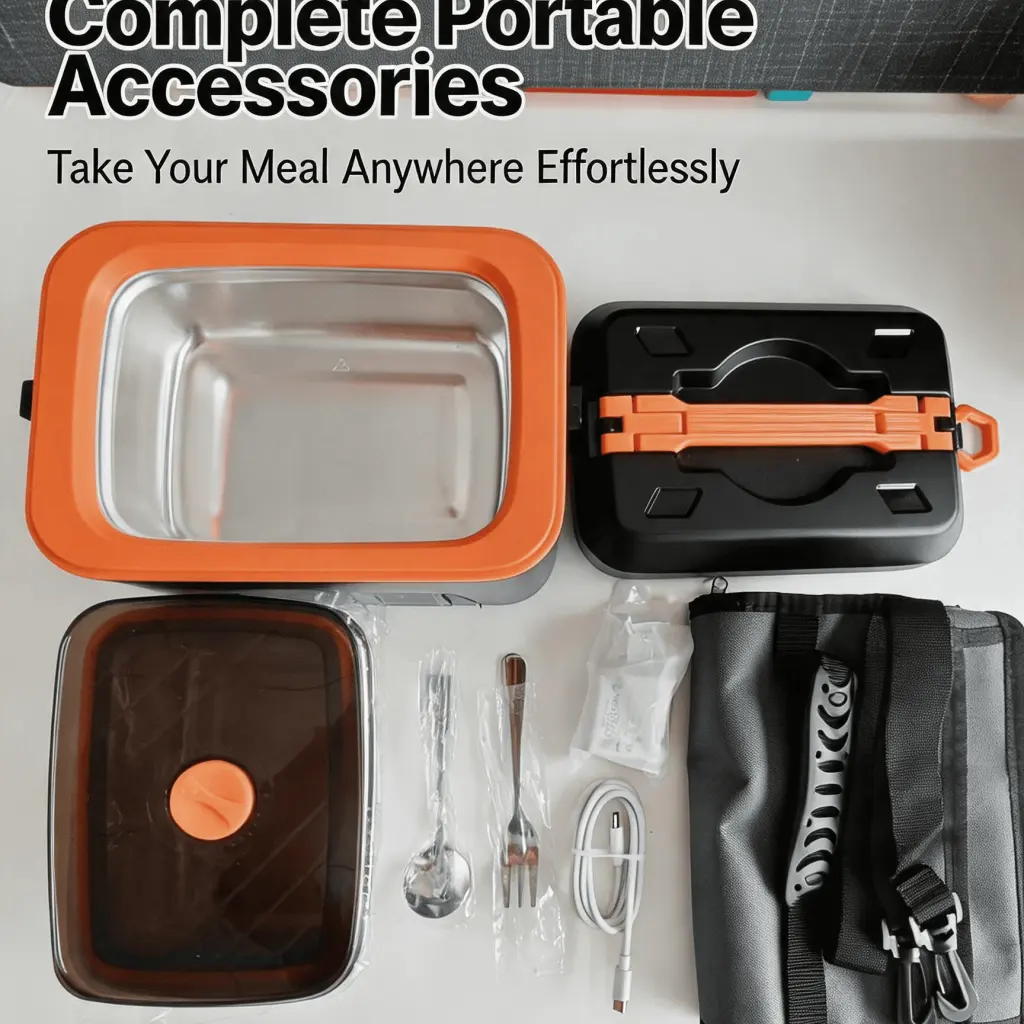
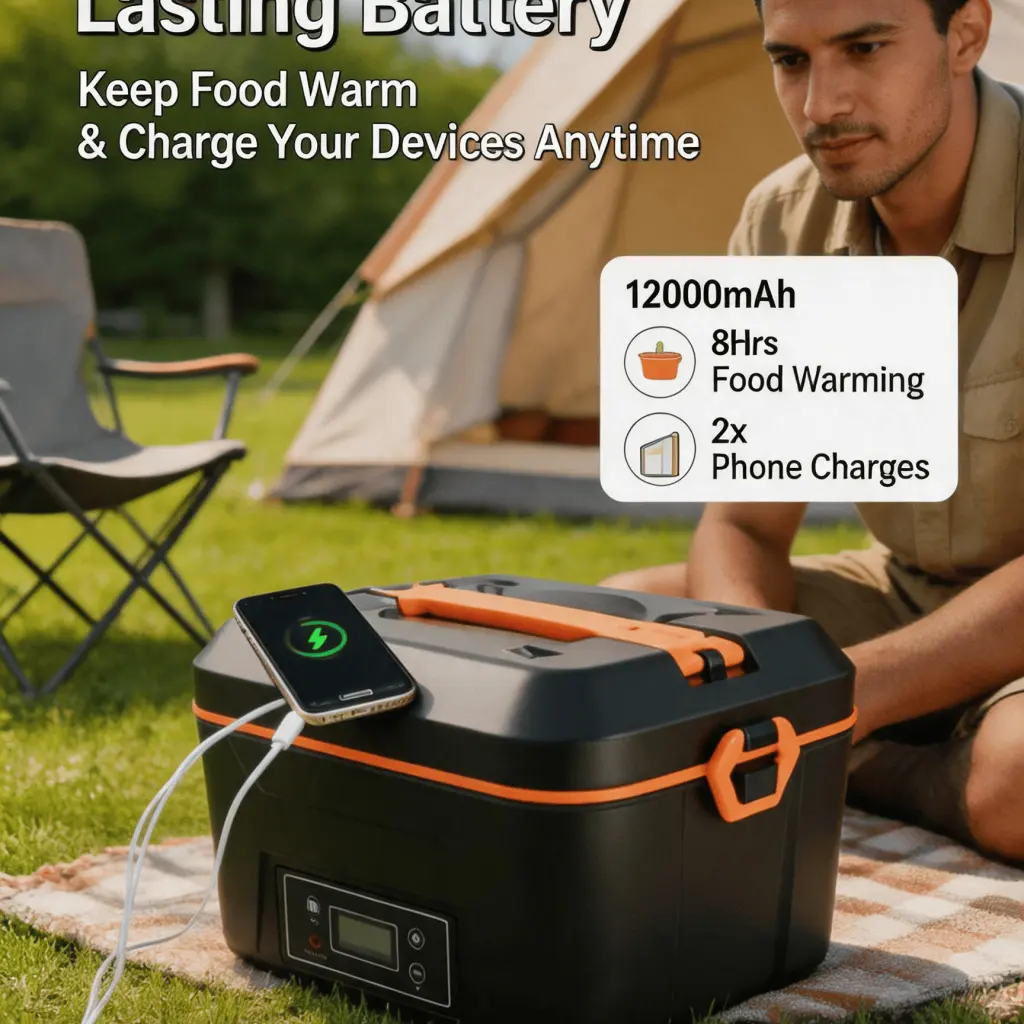
- Looking for a Reliable Rechargeable Heated Lunch Box Supplier?
- Available Customization Options
- Production Flexibility
- Planning a Private Label Heated Lunch Box Project?
- Common Certifications Buyers Should Confirm
- What is the most important factor when sourcing rechargeable heated lunch boxes?
- Are rechargeable heated lunch boxes suitable for Amazon private label businesses?
- What certifications are usually required for bulk heated lunch boxes?
- What MOQ is common for OEM electric lunch box projects?
- Need Stable Bulk Supply for Electric Lunch Boxes?
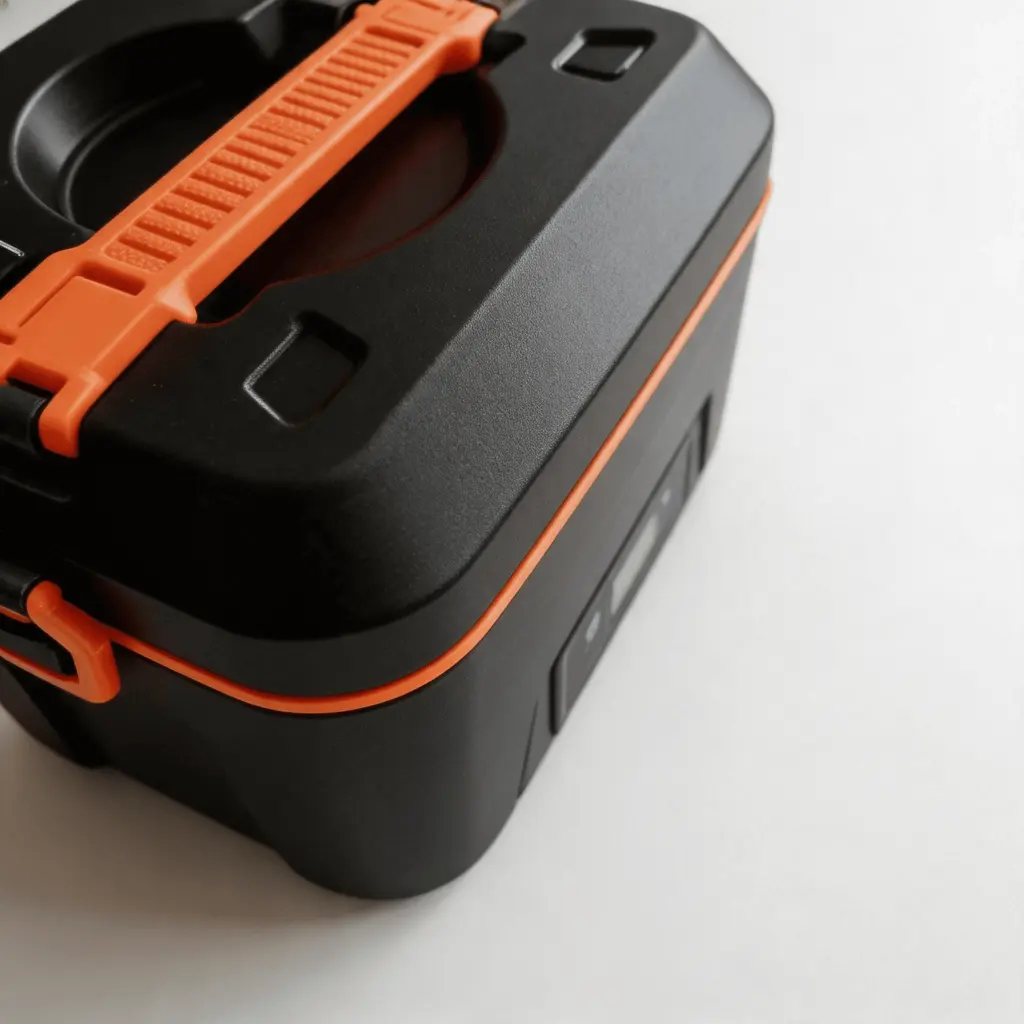
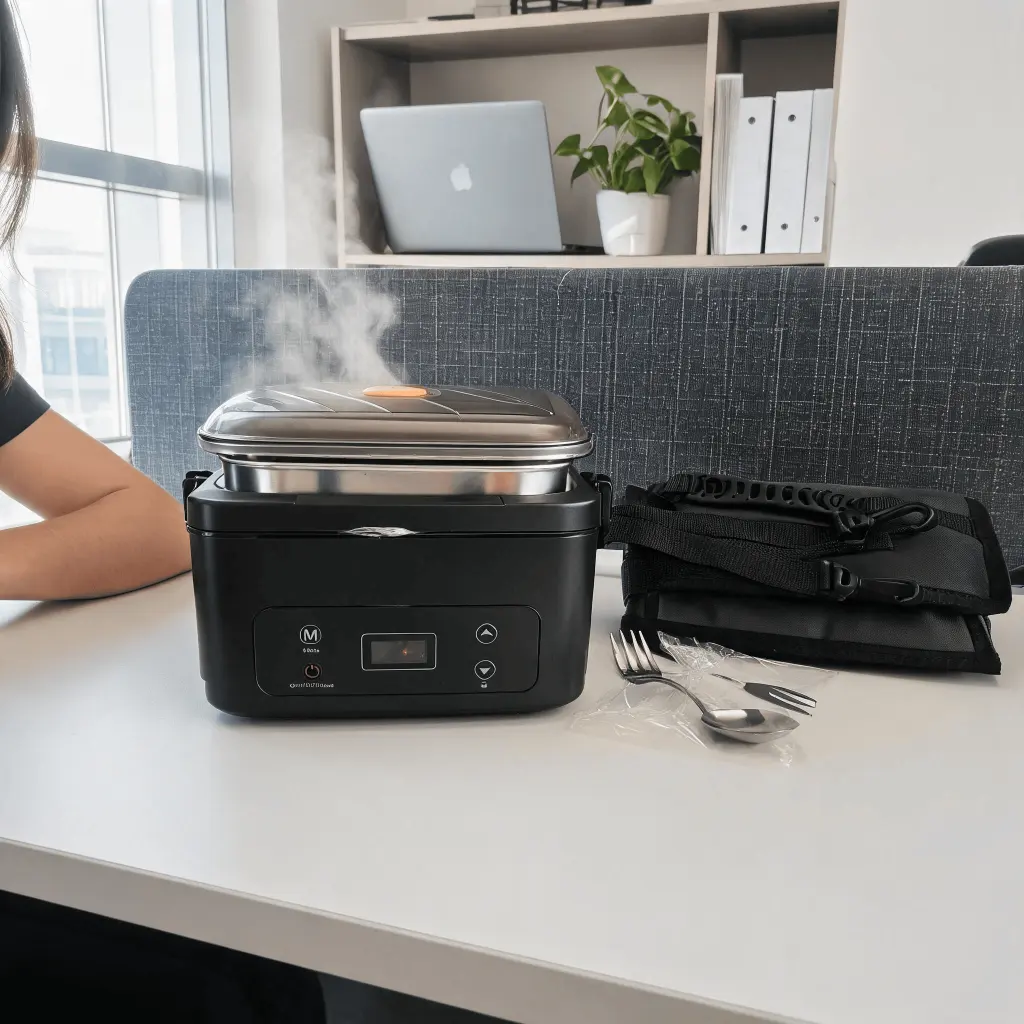
As demand for portable food-warming solutions continues to grow across office, travel, logistics, and outdoor markets, rechargeable heated lunch boxes are becoming an increasingly attractive product category for importers, wholesalers, and private label brands.
However, sourcing rechargeable heated lunch boxes in bulk is not simply about finding the lowest unit price. Battery safety, heating performance, compliance certifications, customization capability, and long-term supply stability all directly affect product reliability and market success.
For B2B buyers, asking the right questions before placing orders can significantly reduce sourcing risks and improve procurement efficiency.
This article outlines the key questions importers and distributors should evaluate before selecting a rechargeable heated lunch box supplier.
1. What Type of Battery System Is Used?
The battery system is one of the most critical components in a rechargeable heated lunch box. Different battery configurations affect product safety, heating duration, portability, and compliance requirements.
Before sourcing, buyers should clarify:
- Battery capacity (mAh or Wh)
- Heating duration per charge
- Charging time
- Battery cycle lifespan
- Battery protection systems
- Whether removable or built-in batteries are used
For European and North American markets, lithium battery compliance is especially important. Buyers should confirm whether the supplier can provide:
- UN38.3 test reports
- MSDS documentation
- CE/FCC certification
- Transportation compliance for air and sea shipment
Battery-related compliance issues are among the most common causes of customs delays and platform restrictions for electronic lunch box products.
2. How Efficient and Stable Is the Heating Performance?
Heating performance directly impacts customer satisfaction and return rates. Some low-cost products may offer inconsistent heating temperatures or excessively long heating times.
Professional buyers should ask suppliers:
- Maximum heating temperature
- Average heating time
- Heating technology used
- Power consumption
- Temperature control system
- Overheat protection functions
A stable heating system is particularly important for private label buyers targeting Amazon, retail chains, or office appliance channels.
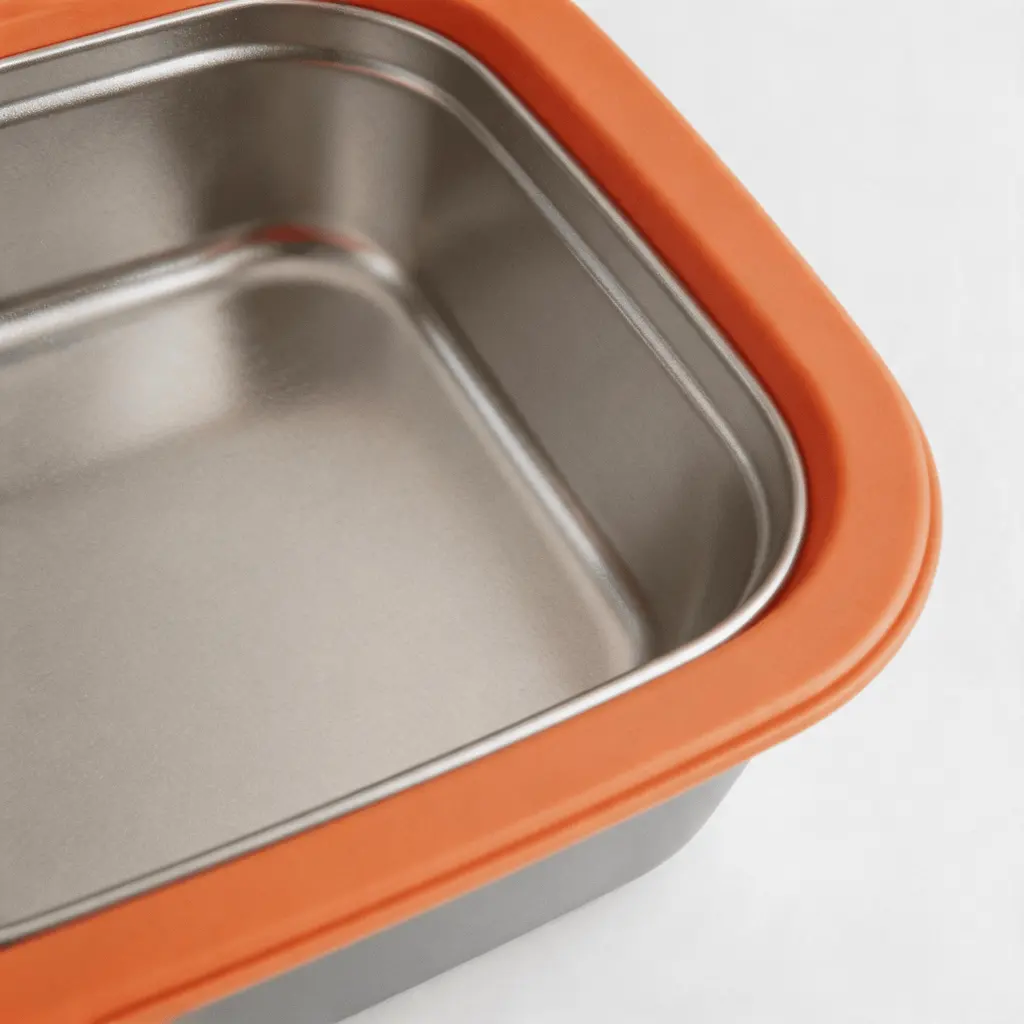
Stainless steel inner containers, food-grade materials, and evenly distributed heating structures are often preferred in higher-end markets.
3. Are Food Contact Materials Properly Certified?
Food safety compliance is a major procurement consideration for wholesale electric lunch box projects.
Buyers should verify whether the supplier uses:
- Food-grade PP materials
- 304 stainless steel containers
- BPA-free components
- LFGB-compliant materials for Europe
- FDA-compliant materials for the United States
Requesting material test reports before mass production helps reduce future compliance risks and supports smoother customs clearance.
For OEM buyers, certified material sourcing also strengthens brand positioning and marketplace credibility.
4. Does the Supplier Support OEM and Private Label Customization?
For many distributors and Amazon sellers, product differentiation is essential in a competitive market.
When sourcing rechargeable heated lunch boxes, buyers should evaluate the supplier’s OEM/ODM capabilities, including:
Available Customization Options
- Logo printing
- Packaging customization
- Color customization
- Mold modification
- Accessory bundling
- Instruction manual localization
Production Flexibility
- Minimum order quantity (MOQ)
- Sample lead time
- Bulk production lead time
- Packaging development support
- Barcode and labeling support
Suppliers with mature OEM experience can usually help buyers accelerate product launch timelines and reduce communication inefficiencies.
5. What Quality Control Processes Are in Place?
Quality consistency is essential for bulk heated lunch boxes, especially when products include electronic heating systems and rechargeable batteries.
Buyers should ask about:
- Incoming material inspection
- In-line production testing
- Finished product inspection
- Aging tests
- Battery safety testing
- Drop testing
- Packaging inspection
Factories with standardized production management and dedicated QC teams generally provide more stable long-term cooperation.
If possible, buyers should also request:
- Factory audit reports
- Production videos
- Existing export experience
- Defect rate statistics
These details help evaluate the supplier’s operational maturity.
6. Can the Supplier Handle Compliance for Different Markets?
Different markets have different compliance requirements for electronic lunch boxes.
Common Certifications Buyers Should Confirm
| Market | Common Compliance Requirements |
|---|---|
| Europe | CE, RoHS, LFGB |
| United States | FCC, FDA |
| Japan | PSE (depending on product structure) |
| Canada | IC certification |
| Battery Shipping | UN38.3, MSDS |
Experienced exporters usually understand market-specific documentation requirements and can assist with customs preparation.
This is especially important for buyers supplying Amazon FBA, retail stores, or local distributors.
7. What Are the Packaging and Logistics Considerations?
Rechargeable products require more careful shipping management than standard food containers.
Before placing bulk orders, buyers should ask:
- Carton dimensions and weight
- Battery shipping regulations
- Available packaging methods
- Drop-test packaging standards
- FBA-ready packaging support
- Mixed-model container loading capability
Efficient packaging design can help reduce shipping costs and improve warehouse handling efficiency.
For importers managing multiple SKUs, carton optimization is often an overlooked but important procurement factor.
8. Is the Supplier Capable of Long-Term Stable Supply?
Beyond the first order, stable supply capability determines whether the sourcing relationship can scale sustainably.
Important factors include:
- Factory production capacity
- Manufacturing experience
- Supply chain stability
- Inventory management
- Peak season production planning
- Backup component sourcing
Suppliers with mature manufacturing systems are generally better equipped to support repeat orders, OEM projects, and long-term distribution partnerships.
FAQ
What is the most important factor when sourcing rechargeable heated lunch boxes?
Battery safety and heating stability are typically the most critical factors because they directly affect compliance, customer satisfaction, and product reliability.
Are rechargeable heated lunch boxes suitable for Amazon private label businesses?
Yes. Many Amazon sellers source wholesale electric lunch box products with private label packaging and customized branding. However, compliance documentation and battery certifications are especially important for marketplace approval.
What certifications are usually required for bulk heated lunch boxes?
Requirements vary by market, but common certifications include CE, FCC, RoHS, FDA, LFGB, UN38.3, and MSDS documentation.
What MOQ is common for OEM electric lunch box projects?
MOQ depends on the level of customization. Standard logo customization may support lower MOQs, while mold modifications usually require larger order volumes.
Final Thoughts
Sourcing rechargeable heated lunch boxes successfully requires more than comparing quotations. Buyers should carefully evaluate battery compliance, heating performance, food safety standards, OEM capability, and supplier reliability before committing to bulk procurement.
For importers, distributors, and private label brands, working with an experienced manufacturing partner can help reduce sourcing risks while improving product consistency and long-term scalability.
If you are evaluating suppliers for bulk heated lunch boxes or customized electric lunch box projects, preparing a detailed supplier assessment checklist before negotiation can significantly improve procurement outcomes.