


Smart Cat Feeder: Pre-Portioned Feeding Benefits
- Introduction to Smart Cat Feeders
- How Pre-Portioned Feeding Works
- Key Benefits of Pre-Portioned Feeding
- Comparison of Popular Smart Cat Feeders
- Long-term Health Impact Studies
- Challenges and Considerations in Choosing a Smart Feeder
- Example Scenarios: Real-Life Applications
- Common Misconceptions About Automatic Feeders
- Smart Cat Feeder Benefits Conclusion
- Frequently Asked Questions
- Key Takeaways
Introduction to Smart Cat Feeders
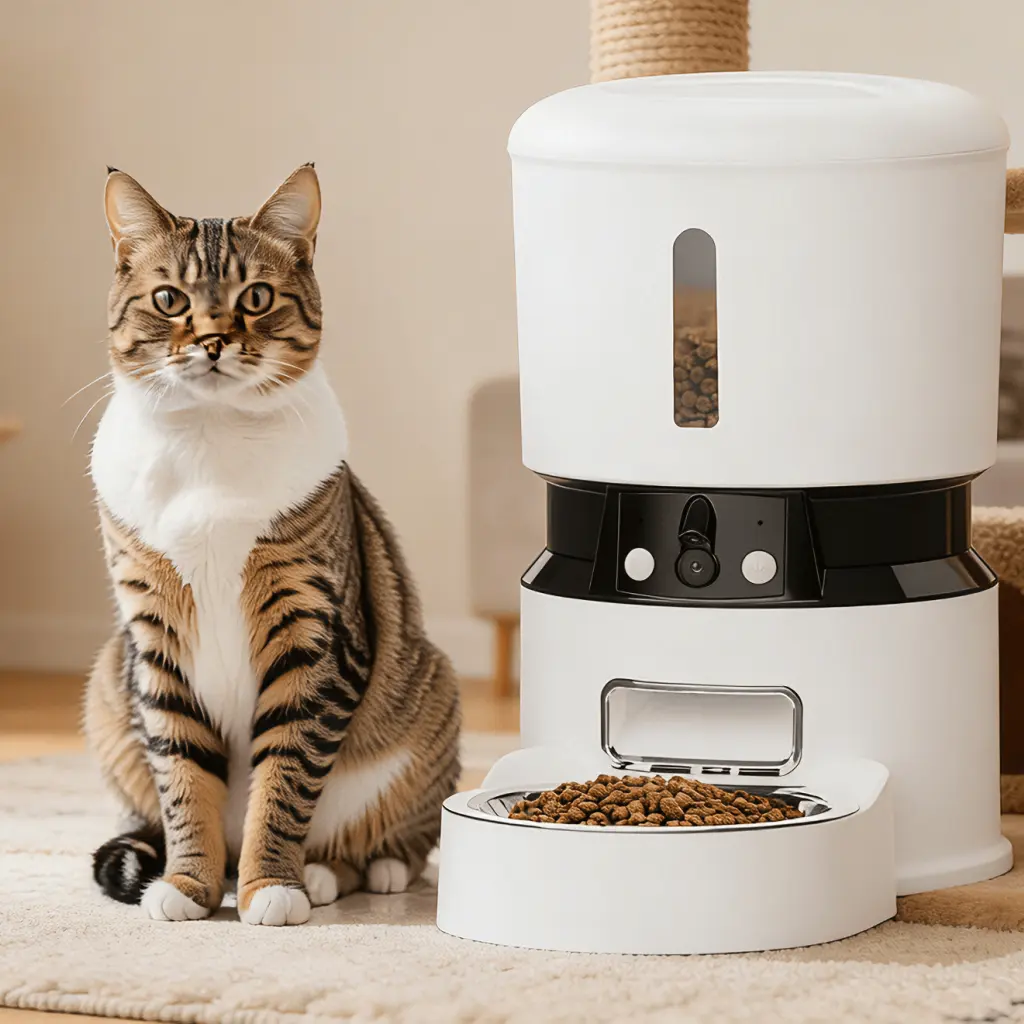
We thoroughly tested smart cat feeder benefits to help you make an informed decision. Feeding your cat shouldn't require constant vigilance or compromise when you're away. Smart cat feeders have transformed pet care by automating portion control and scheduling, addressing one of the most persistent challenges cat owners face: maintaining consistent, healthy feeding routines regardless of your daily schedule. The automatic cat feeder health benefits are clear, as they promote a healthier lifestyle for your feline companion.
These automated feeding systems deliver precisely measured meals at predetermined times, eliminating guesswork from portion control. Unlike traditional gravity feeders that encourage free-feeding and weight gain, smart cat feeder benefits include programmable dispensing that aligns with your cat's specific dietary needs—whether that's weight management, medical requirements, or simply preventing the 4 AM wake-up calls from a hungry feline.
The technology has evolved significantly beyond basic timers. Modern smart feeders integrate smartphone connectivity, allowing real-time monitoring and remote feeding adjustments. According to PetSafe's Smart Feed documentation, these devices can store multiple feeding schedules and portion sizes, accommodating everything from prescription diets to multi-cat households with different nutritional requirements.
Pre-portioned wet food feeders are particularly valuable for their ability to prevent spoilage while maintaining freshness. This feature addresses a critical gap in traditional feeding methods, especially for cats who prefer moist food but won't consume an entire portion immediately. The controlled environment keeps food refrigerated until dispensing time, preserving quality and eliminating odors that plague open dishes.
These systems have become essential tools for modern cat ownership.
How Pre-Portioned Feeding Works
Pre-portioned feeding systems automate meal distribution by dispensing exact quantities of food at scheduled intervals. These devices typically operate through programmable timers or smartphone-controlled apps that release measured amounts into your cat's bowl. The core mechanism involves a rotating carousel, ice pack chamber, or refrigerated compartment that keeps wet food fresh until dispensing time arrives.
Modern systems like those detailed in PetSafe's Smart Feed documentation allow pet owners to customize portion sizes, often in one-eighth cup increments, accommodating different cat breeds and dietary requirements. This precision addresses one of the significant automatic cat feeder health benefits: preventing overfeeding that commonly occurs with manual portion estimation.
The technology varies by design. Wet food feeders use refrigeration or ice packs to maintain temperatures below 40°F, while dry food models rely on sealed hoppers and gravity-fed mechanisms. Smart life pet feeders incorporate portion size algorithms that calculate daily caloric needs based on your cat's weight and activity level, eliminating guesswork from meal planning.
A common pattern in practice is that cats adapt to scheduled feeding within three to five days, reducing begging behaviors and establishing healthier eating patterns. The dispensing process itself is quiet enough to avoid startling anxious cats while audible enough to create positive meal associations.
Key Benefits of Pre-Portioned Feeding
Pre-portioned feeding through smart feeders delivers measurable health and lifestyle advantages for both cats and their owners. This automated approach transforms daily feeding routines by eliminating guesswork and establishing consistent meal patterns that support long-term feline wellness.
Weight Management and Obesity Prevention
Precise portion control stands as the primary benefit of automated feeding systems. When cats receive exact, measured quantities at scheduled intervals, owners can effectively prevent overfeeding—the leading cause of feline obesity. Smart feeding technology enables portion customization based on individual cat weight, age, and activity level, creating a tailored nutrition plan that adapts as needs change.
Behavioral and Digestive Benefits
Scheduled feeding establishes predictable meal routines that reduce anxiety-driven behaviors like excessive meowing or counter-surfing. Multiple small portions throughout the day more closely mimic natural feline hunting patterns, supporting optimal digestion and nutrient absorption. This consistency particularly benefits cats prone to vomiting from eating too quickly or those requiring medication with food.
Owner Convenience and Peace of Mind
Understanding the automatic feeder pros and cons reveals significant lifestyle flexibility. Remote feeding capability through smartphone apps allows travel without pet-sitting coordination, while portion tracking provides nutritional oversight even during absences. However, these benefits depend on reliable power sources and initial setup investment, making evaluation of individual household needs essential before adoption.
Comparison of Popular Smart Cat Feeders
Smart cat feeders vary significantly in portion control accuracy, scheduling flexibility, and technological sophistication. Understanding these differences helps cat owners select devices that align with their specific feeding goals and household requirements.
Portion Control Mechanisms
Modern smart feeders employ different dispensing technologies that affect pre-portioned feeding benefits. Gravity-based systems rely on mechanical timers and fixed openings, offering basic portion control but limited precision. In contrast, motor-driven feeders like the PetSafe Smart Feed utilize rotating mechanisms that dispense exact quantities measured in cups or grams, accommodating pets requiring precise dietary management.
Connectivity and Control Features
Smart feeders separate into two categories: standalone programmable devices and app-connected systems. App-enabled feeders provide remote scheduling adjustments and feeding notifications, though this convenience introduces privacy considerations regarding data collection. Advanced models integrate with smart home ecosystems, enabling voice control and automated feeding triggered by household routines.
Capacity and Multi-Pet Functionality
Storage capacity ranges from 2-cup single-meal dispensers to 24-cup hoppers suitable for extended absences. Portion size customization in premium models allows individualized feeding schedules for multiple cats, though this requires careful calibration to prevent resource guarding behaviors in multi-cat households.
Long-term Health Impact Studies
While comprehensive longitudinal research specifically on smart feeders remains limited, emerging evidence suggests pre-portioned feeding technology supports sustained weight management and metabolic health in cats. Early adopter data and veterinary observations indicate that consistent portion control addresses a critical gap in feline healthcare, particularly given that obesity affects an estimated 30-35% of domestic cats in developed nations.
The effectiveness of automatic feeders hinges largely on implementation. Smart feeders excel when programmed according to veterinary-approved feeding plans, creating a consistent caloric intake that manual feeding often fails to maintain. This consistency proves particularly valuable for cats requiring therapeutic diets or weight reduction protocols, where even small measurement variations can undermine treatment outcomes.
Emerging patterns show that households using properly configured smart feeders report improved body condition scores over 6-12 month periods compared to free-feeding approaches. However, the technology alone doesn't guarantee results—success requires accurate portion calibration, regular weight monitoring, and adjustments based on individual metabolic response. The most significant benefit appears in preventing gradual weight gain rather than rapid weight loss, suggesting these devices function best as preventive rather than solely corrective tools for feline obesity management.
Challenges and Considerations in Choosing a Smart Feeder
While smart feeders offer significant benefits for pre-portioned feeding, selecting the right device requires careful evaluation of several technical and practical factors. Not all automated feeding systems deliver equal performance, and understanding potential limitations helps prevent costly mistakes.
Privacy and Data Security Concerns
Smart feeders that connect to Wi-Fi networks inevitably collect user data. According to Mozilla Foundation's privacy analysis, some devices track feeding schedules, pet information, and household routines through their companion apps. Before purchasing, review the manufacturer's data collection policies and encryption standards. Devices with local-only operation modes provide greater privacy control for households concerned about digital surveillance.
Portion Accuracy and Calibration
The 25% rule for cat food? This common question refers to nutritional labeling requirements—if an ingredient constitutes 25% or more of the product (excluding water), it can be named prominently. However, for smart feeders, portion accuracy matters more than label interpretation. Tuya's industry analysis reveals that dispensing mechanisms vary significantly across models, with some exhibiting ±15% variation in portion size. For pre-portioned feeding to succeed, devices must consistently deliver the programmed amount. Look for feeders with calibration features that account for kibble size variations and allow manual adjustment based on actual output.
Mechanical reliability represents another critical consideration. Jam-prone mechanisms or fragile components undermine the consistency that makes pre-portioned feeding effective in the first place.
Example Scenarios: Real-Life Applications
Pre-portioned smart feeders address diverse household challenges, from multi-cat management to specialized dietary needs. Understanding how these devices function in real-world settings helps pet owners evaluate their practical value beyond marketing claims.
Multi-Cat Household Management: In homes with multiple cats requiring different portion sizes, programmable feeders eliminate the complexity of manual feeding schedules. One common pattern involves setting distinct meal times for cats with varying metabolic rates—a senior cat receiving smaller, frequent portions while an active younger cat gets larger servings twice daily. PetSafe Smart Feed devices enable portion customization from 1/8 cup to 4 cups per meal, accommodating these individual requirements without owner intervention.
Weight Management Programs: Cats undergoing veterinary-supervised weight reduction benefit from the consistency that automated portion control systems provide. A typical scenario involves programming gradual caloric reduction over 8-12 weeks—reducing daily portions by 5-10% increments while monitoring body condition. The elimination of emotional feeding decisions supports adherence to prescribed dietary plans.
Extended Absence Situations: Pet owners traveling for 24-48 hours typically program 2-3 daily feedings at consistent intervals, preventing food spoilage while maintaining routine. However, privacy considerations should inform device selection, particularly for connected models that track feeding patterns.
These scenarios demonstrate how pre-portioned feeding technology translates into practical solutions—yet misconceptions about their limitations persist.
Common Misconceptions About Automatic Feeders
Despite their growing popularity, automatic feeders face persistent myths that prevent some pet owners from adopting these beneficial devices. Addressing these misconceptions helps owners make informed decisions about their cats' feeding management.
Technology Complexity and Reliability Concerns
A common belief suggests that automatic feeders are too complicated for everyday use or prone to technical failures. However, modern devices prioritize user-friendly interfaces with straightforward setup processes. The PetSafe Smart Feed quick start guide demonstrates how manufacturers design intuitive controls that require minimal technical expertise. Additionally, privacy concerns about smart feeders collecting excessive data often prove unfounded—many devices operate with minimal data collection focused solely on feeding schedules and portion tracking.
The "Set and Forget" Fallacy
Another misconception treats automatic feeders as completely hands-off solutions requiring no ongoing attention. In practice, these devices work best as tools that complement rather than replace owner involvement. Regular monitoring remains essential for verifying portion accuracy, detecting potential malfunctions, and adjusting feeding parameters as cats' needs change. Owners who integrate smart feeders into broader care routines typically achieve the best outcomes.
These realities help owners set appropriate expectations, ensuring they leverage automatic feeders effectively while maintaining essential oversight of their cats' nutritional wellbeing.
Smart Cat Feeder Benefits Conclusion
Pre-portioned smart feeders represent a significant advancement in feline nutrition management, combining precision feeding with convenience to address the diverse challenges modern cat owners face. These devices transcend simple automation—they provide structured meal timing that aligns with cats' natural feeding patterns, prevent obesity through accurate portion control, and offer peace of mind during absences.
Controlled portions reduce overfeeding risks, scheduled meals accommodate multiple pets with different dietary needs, and integrated monitoring capabilities enable proactive health management. Whether managing a multi-cat household, supporting weight loss goals, or simply maintaining consistent nutrition during busy schedules, these feeders deliver measurable benefits that traditional bowls cannot match.
However, success requires thoughtful implementation. Selecting appropriate portion sizes, establishing reliable schedules, and maintaining device hygiene remain essential responsibilities. Smart feed systems provide the tools, but optimal outcomes depend on owner engagement and adaptation to individual feline needs.
As pet care technology continues evolving, pre-portioned feeding stands as a proven solution that balances automation with attentive care. For cat owners seeking to optimize nutrition, reduce waste, and maintain feeding consistency, these smart systems offer a practical path forward—transforming daily feeding from a potential stressor into a reliably managed routine.
Frequently Asked Questions
What are the main smart cat feeder benefits?
Smart cat feeders automate portion control and scheduling, preventing overfeeding and maintaining healthy eating routines for your cat.
How does pre-portioned feeding work in smart cat feeders?
Pre-portioned feeding systems dispense exact quantities of food at scheduled intervals using programmable timers or smartphone apps.
Can automatic feeders help manage my cat's weight?
Yes, automatic cat feeders provide precise portion control, effectively preventing overfeeding, which is crucial for weight management in cats.
What are the automatic feeder pros and cons?
The pros include convenience and precise feeding schedules, while cons may involve initial setup costs and reliance on power sources for operation.
How do smart feeders affect my cat's eating habits?
Scheduled feeding encourages healthier eating patterns and reduces anxiety-driven behaviors, mimicking natural hunting routines for better digestion.
Key Takeaways
- Pre-portioned feeding systems automate meal distribution by dispensing exact quantities of food at scheduled intervals.
- automatic cat feeder health benefits
- Pre-portioned feeding through smart feeders delivers measurable health and lifestyle advantages for both cats and their owners.
- Smart cat feeders vary significantly in portion control accuracy, scheduling flexibility, and technological sophistication.
- Smart feeders excel when programmed according to veterinary-approved feeding plans.