


How to Choose the Right Smart Cat Litter Box for Your Market Segment: A B2B Buying Guide
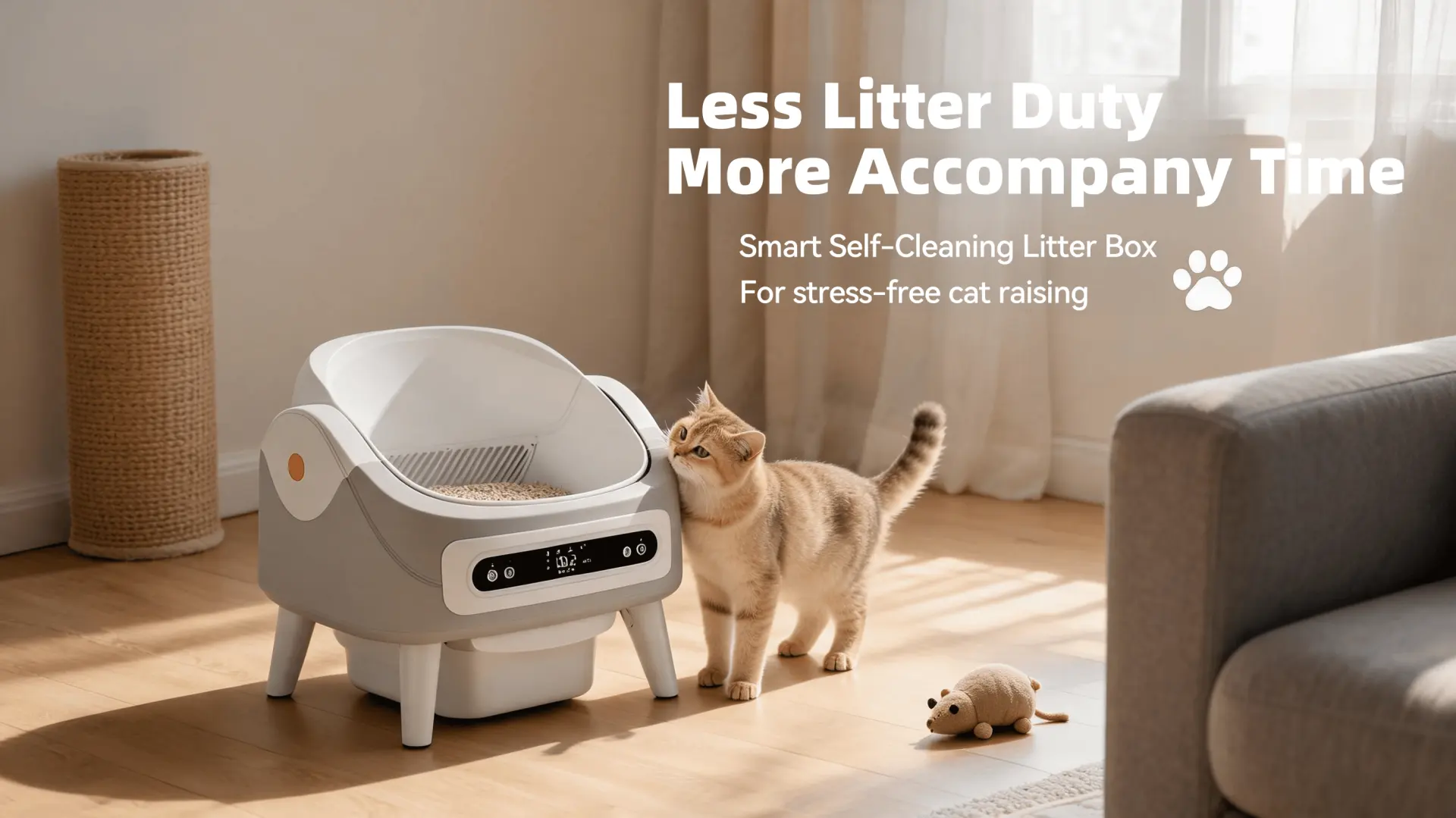
As the global pet technology market continues to expand, smart cat litter boxes have become one of the fastest-growing product categories for pet retailers, distributors, and private-label brands. However, not all smart litter boxes fit every market segment. A product that performs well in a premium DTC brand portfolio may not be suitable for a value-focused retail chain or wholesale distributor.
For importers, distributors, and brand owners sourcing through smart cat litter box wholesale channels, selecting the right product requires more than comparing features. It involves understanding customer positioning, pricing strategy, compliance requirements, supply stability, and long-term profitability.
This guide outlines the key factors B2B buyers should evaluate when choosing smart cat litter boxes for different market segments.
- Why Market Segment Matters in Smart Cat Litter Box Product Selection
- Evaluate Smart Cat Litter Box Features Based on Retail Positioning
- Consider Supply Chain Reliability Before Expanding Product Lines
- OEM and ODM Capabilities Can Strengthen Brand Competitiveness
- Verify Compliance Requirements for Your Target Market
- Analyze Total Cost Instead of Unit Price Alone
- Questions to Ask Your Smart Cat Litter Box Supplier
- Building the Right Product Portfolio for Different Market Segments
- FAQ: Smart Cat Litter Box Wholesale Sourcing
Why Market Segment Matters in Smart Cat Litter Box Product Selection
One of the most common mistakes in distributor product selection is assuming that the most feature-rich product will generate the highest sales volume.
In reality, successful product selection starts with understanding your target customer segment:
- Premium pet technology brands
- Mid-range specialty pet retailers
- E-commerce private label sellers
- Mass-market distributors
- Regional importers and wholesalers
- Subscription-based pet product brands
Each segment has different expectations regarding pricing, functionality, packaging, and after-sales support.
Before selecting a model, buyers should define:
- Target retail price range
- Expected profit margin
- Distribution channel
- Local regulatory requirements
- Consumer purchasing behavior
Aligning product specifications with market demand helps reduce inventory risk and improve sell-through rates.
Evaluate Smart Cat Litter Box Features Based on Retail Positioning
Effective retail positioning should drive product selection decisions.
Entry-Level Segment
For budget-focused retailers and wholesalers, key priorities typically include:
- Competitive pricing
- Reliable self-cleaning function
- Basic safety protection
- Simple operation
- Stable product quality
In many markets, consumers are more sensitive to price than advanced app connectivity. A well-built entry-level model may outperform a premium model if it offers better value.
Mid-Range Segment
Mid-range products often represent the largest market opportunity.
Popular features include:
- Automatic waste removal
- Odor control systems
- App connectivity
- Usage monitoring
- Compact design for apartments
This segment generally balances affordability with convenience, making it attractive for specialty retailers and online sellers.
Premium Segment
Premium brands typically focus on:
- Advanced AI or sensor technology
- Multi-cat household management
- Health monitoring features
- Ultra-quiet operation
- Premium materials and design
- Strong mobile app ecosystem
For premium positioning, product experience and brand differentiation become more important than price alone.
Consider Supply Chain Reliability Before Expanding Product Lines

Product features are only one part of the purchasing decision.
Many B2B buyers experience challenges after launch due to:
- Long lead times
- Inconsistent quality
- Component shortages
- Unstable production schedules
- High return rates
When evaluating suppliers, ask questions such as:
- What is the factory's production capacity?
- How quickly can repeat orders be fulfilled?
- What quality control procedures are implemented?
- What is the historical defect rate?
- Are spare parts available for after-sales service?
A supplier with mature manufacturing processes and stable production capacity can help reduce operational risks and improve inventory planning.
OEM and ODM Capabilities Can Strengthen Brand Competitiveness
For private-label sellers and growing pet brands, customization opportunities can significantly improve market differentiation.
Common OEM/ODM options include:
Branding Customization
- Logo printing
- Customized packaging
- User manuals
- Product labels
Product Customization
- Color options
- UI and app branding
- Feature modifications
- Accessory bundles
Market-Specific Adaptation
- Regional plug standards
- Language localization
- Regulatory labeling requirements
For brands targeting Amazon, Shopify, specialty retail, or regional distribution networks, light customization often provides a cost-effective way to create a unique market offering.
Verify Compliance Requirements for Your Target Market
Compliance is increasingly important for smart pet products sold internationally.
Depending on the destination market, buyers may require certifications such as:
North America
- FCC
- UL-related requirements (where applicable)
- RoHS
European Markets
- CE
- RoHS
- REACH
Japan and South Korea
- Market-specific electrical and wireless compliance requirements
Before placing large-volume orders, buyers should confirm:
- Available certifications
- Testing documentation
- Product safety reports
- Material compliance records
Working with suppliers that understand international regulatory requirements can help prevent customs delays and market entry issues.
Analyze Total Cost Instead of Unit Price Alone
The lowest factory price does not always deliver the highest profit.
When evaluating a smart cat litter box wholesale opportunity, buyers should calculate total landed cost, including:
- Product cost
- Shipping expenses
- Import duties
- Packaging costs
- Warranty reserves
- Marketing expenses
- After-sales support costs
A slightly higher-priced model with lower return rates and stronger customer satisfaction may generate better long-term margins.
Questions to Ask Your Smart Cat Litter Box Supplier
Before finalizing a supplier partnership, consider asking:
- What is the minimum order quantity (MOQ)?
- Are small trial orders available?
- What OEM/ODM services are offered?
- What certifications are available?
- What quality inspection procedures are used?
- What is the average lead time?
- What warranty support is provided?
- Can spare parts be supplied for local service centers?
- What packaging customization options are available?
- How are product updates and firmware improvements managed?
These questions help buyers evaluate both product quality and long-term supplier reliability.
Building the Right Product Portfolio for Different Market Segments
The best smart cat litter box is not necessarily the most advanced model—it is the model that aligns with your target market's needs and purchasing behavior.
Successful distributor product selection depends on balancing:
- Product functionality
- Market demand
- Compliance readiness
- Brand positioning
- Supply chain stability
- Profitability
For distributors, wholesalers, retailers, and private-label brands, selecting the right product mix can improve inventory turnover, strengthen customer satisfaction, and support long-term business growth.
Whether you are launching a new pet technology brand or expanding an existing catalog, choosing a manufacturing partner with stable production capabilities, flexible customization options, and international market experience can help reduce sourcing risks and accelerate market entry.
FAQ: Smart Cat Litter Box Wholesale Sourcing
What MOQ is typical for smart cat litter box wholesale orders?
MOQ requirements vary by manufacturer. Many suppliers offer flexible options, including small trial orders for market testing before larger volume commitments.
Is OEM branding available for smart cat litter boxes?
Yes. Most experienced manufacturers can provide logo customization, packaging design, user manuals, and other private-label services.
Which market segment generates the highest growth potential?
Mid-range smart cat litter boxes often show strong growth because they balance affordability with smart functionality, appealing to a broad consumer base.
What certifications should I request from suppliers?
Requirements depend on your target market. Common certifications include CE, FCC, RoHS, and other region-specific compliance documents.
How can distributors reduce after-sales issues?
Choose suppliers with strong quality control systems, low defect rates, available spare parts, and responsive technical support.