

Why Smart Pet Product Samples Pass but Mass Production Fails: Risks B2B Buyers Should Know
For smart pet product buyers, receiving a good sample is an exciting moment. The product looks right, the basic functions work, the packaging seems acceptable and the supplier appears ready for production.But a sample that passes does not always mean mass production will succeed.
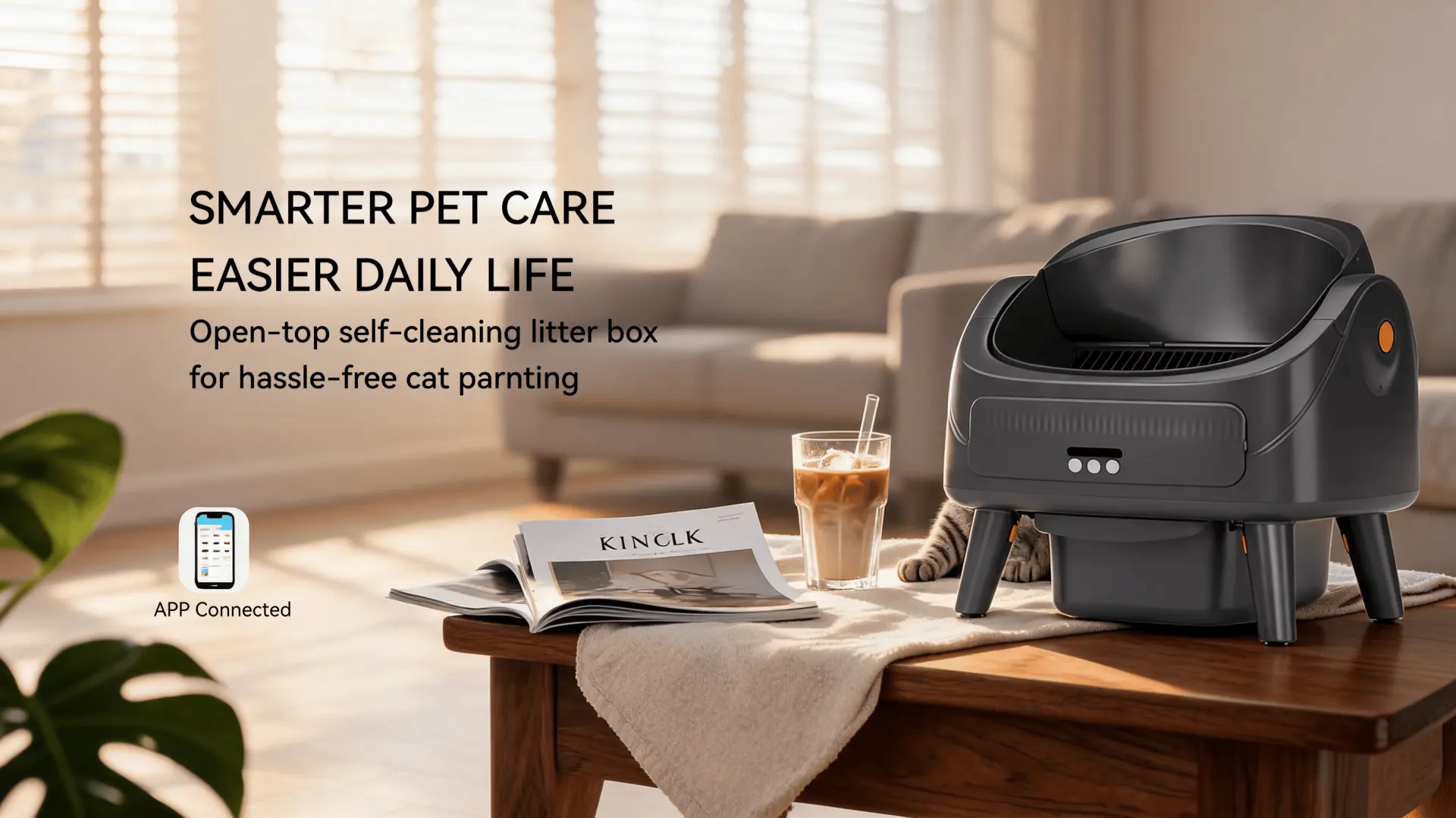
This is a common sourcing risk for importers, purchasing managers, brand owners and distributors buying smart pet products such as automatic pet feeders, smart cat litter boxes, pet cameras, smart pet collars, pet water fountains and other connected pet care devices.
Smart pet products are more complex than traditional pet accessories. They may include plastic structures, motors, pumps, sensors, PCBA boards, batteries, wireless modules, app functions, packaging parts and user manuals. A single sample can work well, but mass production requires every batch to meet the same standard repeatedly.
If the buyer and factory do not manage the process carefully, problems may appear only after hundreds or thousands of units are produced.
This guide explains why smart pet product samples can pass but mass production fails, and what B2B buyers should check before moving from sample approval to bulk orders.
- 1. Requirements Are Not Defined Clearly Enough
- 2. The Sample Is Not Made Under Normal Production Conditions
- 3. Structural Design Works in One Sample but Not at Scale
- 4. Function Development Is Not Fully Tested
- 5. Component Changes Happen After Sample Approval
- 6. Testing Standards Are Not Aligned
- 7. Production Line Workers Are Not Fully Trained
- 8. Packaging Is Treated as an Afterthought
- 9. Compliance Documents Are Not Checked Before Production
- 10. The Buyer Skips Pre-Production Confirmation
- 11. How Buyers Can Reduce Mass Production Risk
- 12. Sample-to-Mass Production Checklist
- Work With a Smart Pet Product OEM/ODM Manufacturer
1. Requirements Are Not Defined Clearly Enough
Many mass production problems start before the sample is even made.
When requirements are vague, the supplier may prepare a sample based on its own assumptions. The sample may look acceptable, but the final production standard is not clearly locked.
Common unclear requirements include:
- Target market
- Sales channel
- Product function priority
- Required certifications
- App requirements
- Packaging standard
- Labeling requirements
- User manual language
- Accessory list
- Test standard
- Acceptable defect level
- Expected warranty policy
For example, a buyer may ask for a "smart feeder with app control", but this can mean many things. Does the buyer need Wi-Fi or Bluetooth? Should the app support multiple users? Does the feeder need low food alerts? Is a camera required? What portion accuracy is acceptable? Should the bowl be plastic or stainless steel?
If these details are not confirmed early, the sample and mass production may follow different expectations.
What Buyers Should Do
Before sample development, create a clear product requirement brief. It should include:
- Product category and model
- Target market
- Sales channel
- Function requirements
- Material requirements
- App or connectivity requirements
- Certification needs
- Packaging requirements
- Estimated order quantity
- Timeline
The clearer the requirement brief, the easier it is for the factory to quote correctly, prepare suitable samples and control mass production.
2. The Sample Is Not Made Under Normal Production Conditions
Some samples are carefully prepared by engineers or senior workers, while mass production is handled by normal production lines. This difference can create problems.
A sample may pass because:
- Components were hand-selected
- Assembly was done by experienced staff
- Extra time was spent on adjustment
- Testing was more careful than usual
- Packaging was prepared manually
- The sample used available parts that may not be used later
This does not mean the supplier is intentionally misleading the buyer. In many cases, sample preparation naturally receives more attention than mass production. But buyers need to understand whether the sample represents true production capability.
Questions to Ask the Supplier
Before approving the sample, ask:
- Was this sample made from normal production materials?
- Were any parts manually adjusted?
- Will the same components be used in mass production?
- Is the sample made from trial production or handmade assembly?
- Can you provide a pre-production sample before bulk production?
- Can the factory run a small pilot batch before full mass production?
For smart pet products, a pilot batch is often useful because it tests whether the production line can repeat the sample quality at scale.
3. Structural Design Works in One Sample but Not at Scale
Smart pet products often depend on structural details. A small design issue may not appear in one sample, but it can become serious in mass production.
Structural risks may include:
- Plastic part deformation
- Loose fitting between parts
- Difficult assembly
- Weak clips or hinges
- Poor lid sealing
- Motor alignment issues
- Sensor position variation
- Water leakage risk
- Food jamming risk
- Difficult cleaning structure
- Packaging pressure damage
For example, an automatic pet feeder may work during a short sample test, but if the food outlet structure is not stable, different kibble sizes may cause jamming in real use.
A smart cat litter box may rotate normally in a demo, but if the sensor position or motor alignment varies during mass production, safety or cleaning performance may become inconsistent.
A pet water fountain may run smoothly at first, but a small gap or poor seal may cause leakage after longer use.
What Buyers Should Check
Buyers should not only check whether the sample works once. They should evaluate whether the structure is suitable for repeated production and real user conditions.
Useful checks include:
- Assembly fit
- Moving part stability
- Noise level
- Long running test
- Water leakage test, if applicable
- Food flow test, if applicable
- Sensor response test
- Cleaning and maintenance test
- Drop or packaging pressure review
For OEM/ODM projects, structural review should happen before tooling or bulk production starts.
4. Function Development Is Not Fully Tested
Smart pet products are often judged by their functions: feeding accuracy, cleaning logic, app alerts, GPS tracking, camera quality, water flow, sensor response or battery performance.
The problem is that a function may work in a short demo but fail under repeated use.
Common function-related risks include:
- Feeding portions are inconsistent
- Motor becomes unstable after repeated cycles
- App connection fails under different networks
- Push notifications are delayed
- Camera image quality is poor in low light
- GPS or tracking data is unstable
- Battery life is shorter than expected
- Sensors do not respond consistently
- Firmware is not ready for real users
- Product settings reset unexpectedly
For B2B buyers, these problems can lead to bad reviews, high returns and pressure from distributors or retail customers.
What Buyers Should Do
Before approving mass production, buyers should ask for function testing based on real use scenarios.
Automatic pet feeders:
- Test different kibble sizes
- Test feeding schedules
- Check portion accuracy
- Test power failure recovery
- Check anti-jam performance
- Test app connection and notification behavior
Smart cat litter boxes:
- Test safety sensors
- Test cleaning cycles
- Check waste bin alerts
- Test odor control design
- Run repeated motor cycles
- Check litter compatibility
Smart collars:
- Test battery life
- Check wearing comfort
- Test waterproof performance, if claimed
- Review app data display
- Test signal or tracking behavior
Function testing should be documented, not only discussed verbally.
5. Component Changes Happen After Sample Approval
One of the biggest risks in smart pet product mass production is component change.
The approved sample may use one motor, sensor, pump, battery, wireless module or PCBA component, but mass production may use another equivalent part due to supply availability, cost, lead time or supplier change.
Even small component changes can affect performance.
For example:
- A different motor may create more noise
- A different pump may reduce water flow
- A different sensor may affect detection accuracy
- A different battery may reduce working time
- A different wireless module may affect connection stability
- A different plastic material may affect strength or appearance
Buyers may not notice this until finished goods arrive or customer complaints begin.
What Buyers Should Require
Buyers should ask the supplier to confirm key components before mass production:
- Motor model
- Pump model
- Sensor type
- Battery specification
- PCBA version
- Wireless module
- Adapter specification
- Plastic material
- Stainless steel grade, if applicable
- Firmware version
For important components, buyers can request approval before substitution. This is especially important for premium smart pet products and private label projects.
6. Testing Standards Are Not Aligned
A sample can pass if the buyer and supplier only check basic appearance and function. But mass production needs clear testing standards.
If testing standards are not aligned, the factory may inspect according to its normal internal process, while the buyer expects a stricter export or retail standard.
Testing differences may include:
- How long the product should run during inspection
- Which functions must be tested for every unit
- What counts as a minor defect
- What counts as a critical defect
- Which packaging issues are acceptable
- Whether app connection is tested
- Whether noise level is checked
- Whether accessories are counted
- Whether labels and manuals are inspected
For smart pet products, final inspection alone is not enough. Some issues need to be controlled during component inspection, assembly and aging tests.
Recommended Testing Points
Buyers should discuss:
- Incoming material inspection
- In-process inspection
- Function testing
- Aging or running test
- Safety check
- App or wireless connection test
- Packaging inspection
- Final random inspection
- Pre-shipment inspection
The goal is to prevent defects from reaching the final stage, where fixing them becomes expensive and time-consuming.
7. Production Line Workers Are Not Fully Trained
Smart pet products often require careful assembly. If workers are not trained properly, mass production quality can become inconsistent.
Possible production line issues include:
- Screws tightened too much or too little
- Wires placed incorrectly
- Sensors installed at the wrong position
- Sealing parts not fitted properly
- Bowls, lids or tanks assembled incorrectly
- Labels attached in the wrong position
- Accessories missed from packaging
- App QR codes or manuals mixed between models
These issues may look small, but they can create serious customer complaints.
What Buyers Should Ask
Before mass production, ask the supplier:
- Is there a production work instruction for this model?
- Are workers trained before production starts?
- Are first articles inspected?
- Are line leaders checking key assembly steps?
- Are critical parts marked or controlled?
- Are accessories and packaging checked by list?
A stable production line needs standard work instructions and inspection points, not only experienced workers.
8. Packaging Is Treated as an Afterthought
Packaging problems are a major reason why smart pet products fail after production.
A product may pass factory testing but arrive damaged because packaging is not strong enough for international shipping, warehouse handling or e-commerce fulfillment.
Common packaging risks include:
- Weak outer carton
- Insufficient inner protection
- Product movement inside the box
- Heavy parts pressing on fragile parts
- Poor protection for sensors or screens
- Missing accessories
- Manual or adapter placed incorrectly
- Retail box damaged during transit
- Labeling errors
- Barcode mismatch
For large products such as smart cat litter boxes, packaging design is especially important because shipping damage can be costly. For Amazon sellers, packaging dimensions and damage rate can also affect profitability.
Packaging Checks Before Mass Production
Buyers should review:
- Retail box structure
- Outer carton strength
- Inner foam or molded protection
- Accessory placement
- Drop-test requirements
- Barcode and label position
- Product manual placement
- Compliance marks
- Carton shipping marks
- Palletization requirements, if applicable
Packaging should be confirmed before production, not after finished goods are ready.
9. Compliance Documents Are Not Checked Before Production
Compliance can also create a gap between sample approval and mass production.
For smart pet products sold in Europe and North America, buyers may need documents related to:
- CE
- FCC
- RoHS
- UKCA
- Battery safety
- Adapter compliance
- EMC testing
- Wireless module certification
- Packaging and labeling requirements
If product configuration changes after sample approval, previous test reports may not match the final production version.
For example, changing a wireless module, battery, adapter or PCBA version may affect compliance documentation. Private label packaging may also require correct markings, importer information or manual updates.
What Buyers Should Do
Before mass production, confirm:
- Which documents are required for the target market
- Whether reports match the exact model
- Whether wireless, battery and adapter parts are covered
- Whether labels and manuals are correct
- Whether platform requirements are prepared
- Whether additional testing is needed
This is especially important for Amazon sellers, retail buyers and importers selling into regulated markets.
10. The Buyer Skips Pre-Production Confirmation
After sample approval, some buyers move directly to bulk production. This can be risky.
Between sample and mass production, many details may still need confirmation:
- Final product configuration
- Color
- Logo position
- Packaging artwork
- Manual
- Accessory list
- Test standard
- Labeling
- Carton mark
- Shipping method
- Inspection plan
A pre-production sample or production approval document helps lock these details before the factory starts full production.
What Should Be Confirmed
Before production starts, buyers should confirm:
- Golden sample
- Final specification sheet
- Bill of materials
- Packaging files
- Label files
- User manual
- Accessory list
- Inspection checklist
- Delivery schedule
- Payment and shipment terms
This step reduces misunderstanding and gives both sides a clear production standard.
11. How Buyers Can Reduce Mass Production Risk
Mass production failure is not always caused by one big mistake. It often happens because many small details are not controlled early enough.
B2B buyers can reduce risk by following a structured process:
- Define product requirements clearly
- Choose a supplier with smart pet product experience
- Test samples under real use conditions
- Confirm key components
- Request a pre-production sample
- Align testing and inspection standards
- Review packaging before production
- Check compliance documents early
- Monitor production progress
- Arrange pre-shipment inspection
This process is especially important for OEM/ODM projects, where product customization adds more variables.
12. Sample-to-Mass Production Checklist
Before placing a bulk order, buyers should review this checklist:
- Are product requirements clearly documented?
- Does the sample represent normal production quality?
- Are key components confirmed?
- Are structure and function risks tested?
- Is the app or firmware stable enough for launch?
- Are packaging files approved?
- Is the user manual complete?
- Are compliance documents available?
- Is a pre-production sample required?
- Are inspection standards agreed?
- Are production lead times realistic?
- Are spare parts and after-sales support discussed?
- Is the supplier experienced in smart pet product manufacturing?
If the answer is unclear for several points, it may be too early to move into full mass production.
Work With a Smart Pet Product OEM/ODM Manufacturer
A successful smart pet product project does not end with a good sample. The real test is whether the factory can turn that sample into stable mass production with consistent quality, correct packaging, reliable function and market-ready documentation.
For importers, purchasing managers, brand owners and distributors, working with an experienced smart pet product manufacturer can reduce the gap between sample approval and bulk delivery.
Chongkexing supplies smart pet products for global B2B buyers, including automatic pet feeders, smart cat litter boxes, smart pet collars, pet cameras, pet drinking fountains and related smart pet care devices. We support small batch trial orders, ready-stock wholesale, OEM/ODM projects, light customization, production testing and product document support for buyers entering European and North American markets.