

How ODM Smart Cat Litter Box Development Works From Concept to Mass Production
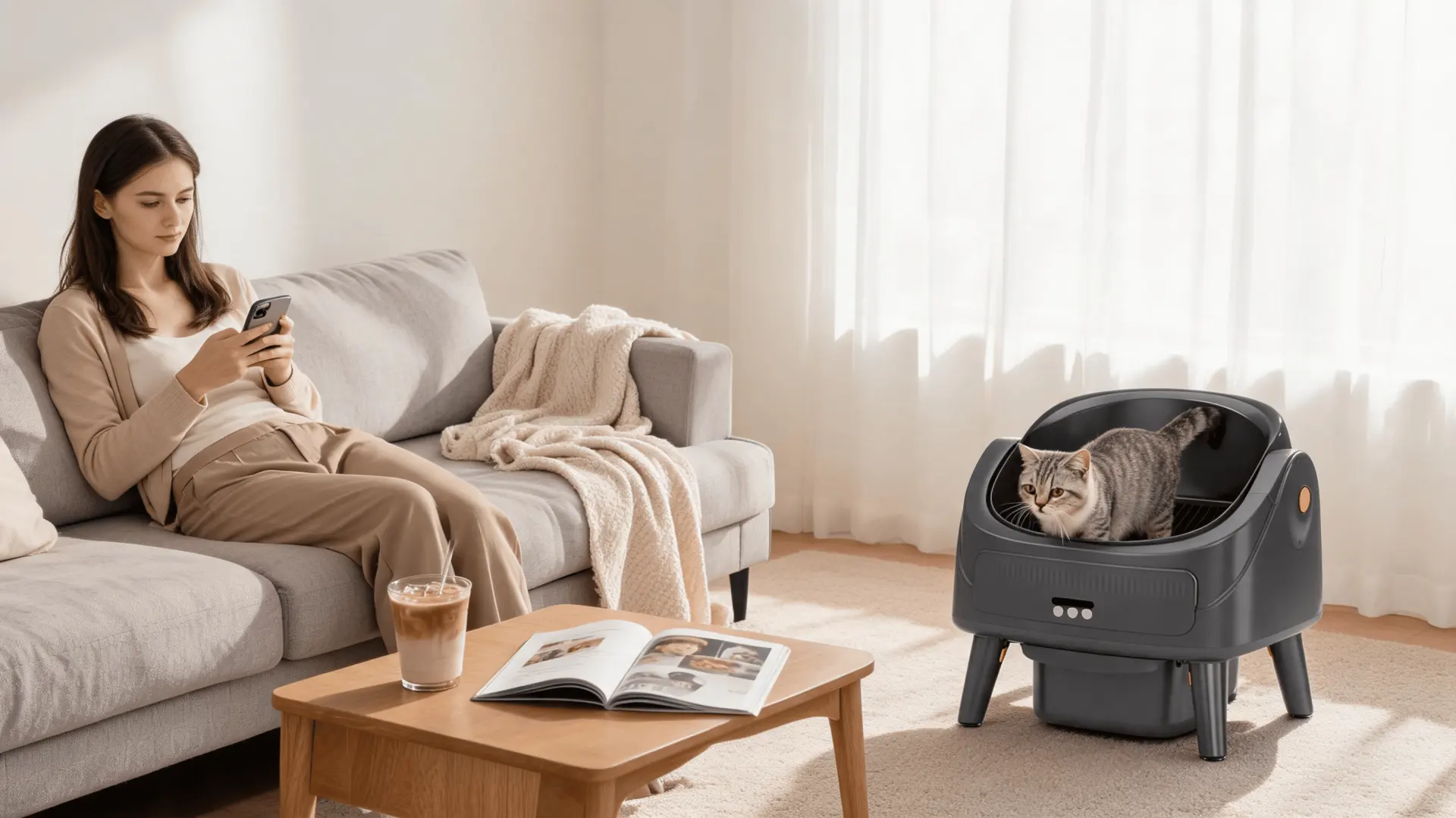
The global smart pet care market continues to expand, and demand for differentiated private-label products is increasing across North America, Europe, Japan, and South Korea. For B2B buyers, launching an ODM smart cat litter box is no longer only about sourcing a finished product — it is about building a product line with clear positioning, stable quality, regulatory compliance, and scalable manufacturing support.
For importers, Amazon private label sellers, distributors, and emerging pet brands, understanding how ODM smart cat litter box development works can reduce sourcing risks, shorten development cycles, and improve long-term profitability.
This article explains the typical ODM development process from initial concept to mass production, including product definition, engineering validation, tooling, compliance, and supply chain management.
- What ODM Means in the Smart Cat Litter Box Industry
- Stage 1: Product Concept and Market Positioning
- Stage 2: Structural and Electronic Engineering Development
- Stage 3: Prototype Development and Functional Testing
- Stage 4: Compliance and Certification Preparation
- Stage 5: Tooling and Pilot Production
- Stage 6: Mass Production and Quality Control
- APP Customization and Smart Features
- How Buyers Can Reduce ODM Development Risks
- Why ODM Is Growing in the Pet Tech Industry
- FAQ
- What is the difference between OEM and ODM smart cat litter box manufacturing?
- How long does ODM smart cat litter box development usually take?
- Can ODM smart cat litter boxes support custom APP branding?
- What certifications are usually required for Europe and North America?
- Is low MOQ possible for ODM projects?
- Conclusion
What ODM Means in the Smart Cat Litter Box Industry
ODM (Original Design Manufacturing) refers to a development model where the manufacturer provides an existing product platform, engineering framework, or partially completed design that can be customized for a buyer’s brand and market requirements.
Compared with full OEM development from scratch, ODM projects typically offer:
- Faster product launch timelines
- Lower R&D investment
- Reduced tooling costs
- Proven structural and electronic platforms
- More predictable manufacturing outcomes
For smart cat litter boxes, ODM development often includes:
- Housing redesign
- APP interface customization
- Branding and packaging
- Sensor configuration
- Odor control upgrades
- Capacity adjustments
- Material selection
- Regional compliance adaptation
This approach is particularly suitable for buyers seeking faster market entry while maintaining product differentiation.
Stage 1: Product Concept and Market Positioning
The first stage of ODM smart cat litter box development focuses on defining the commercial direction of the product.
Experienced manufacturers typically work with buyers to clarify:


Target Sales Channels
Different channels require different product strategies:
- Amazon private label
- Regional distributors
- Pet retail chains
- DTC ecommerce brands
- Subscription-based pet brands
Target Market Requirements
European and North American markets often prioritize:
- Safety certifications
- Quiet operation
- Odor management
- APP stability
- Easy cleaning structures
- Packaging durability
- Replacement parts availability
Japanese and Korean markets may additionally emphasize:
- Compact design
- Minimalist appearance
- Noise reduction
- Energy efficiency
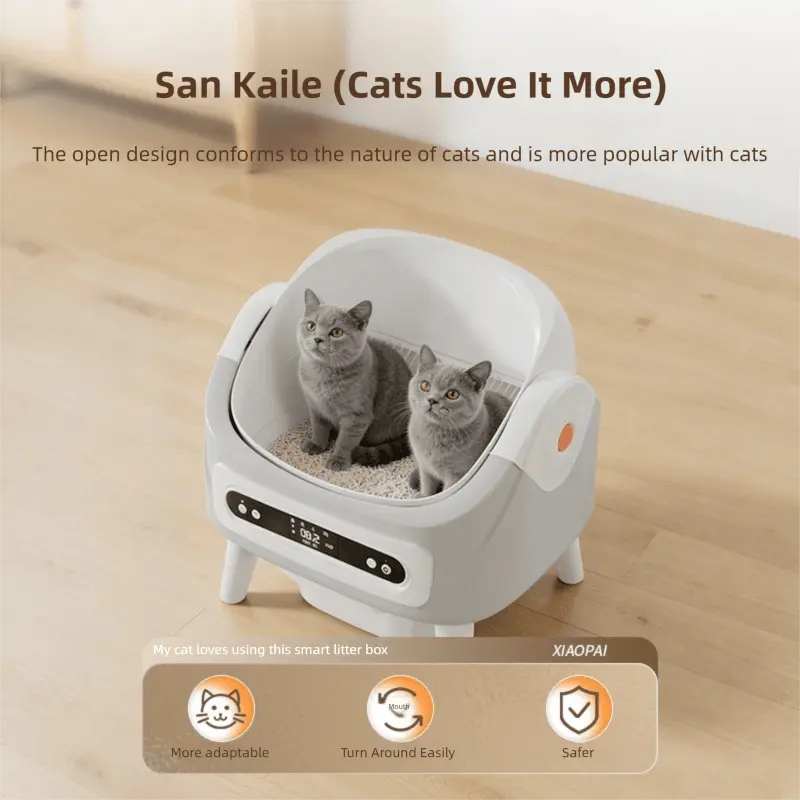
Price Positioning
ODM development must align with the intended retail pricing structure. Manufacturers usually evaluate:
- BOM cost targets
- Packaging cost
- Logistics efficiency
- Margin expectations
- Competitive product benchmarking
At this stage, buyers often provide reference products, competitor links, rough sketches, or functional requests.
Stage 2: Structural and Electronic Engineering Development
Once the product direction is confirmed, engineering development begins.
Smart cat litter boxes combine multiple technical systems:
- Mechanical structures
- Sensors
- Motors
- Control boards
- APP connectivity
- Power systems
- Safety mechanisms
This stage is critical because reliability issues in pet electronics can directly affect return rates and brand reputation.
Structural Design
Engineers optimize:
- Internal waste collection layout
- Rotation mechanisms
- Anti-pinch safety structure
- Weight-bearing stability
- Cleaning accessibility
- Noise reduction
- Packaging protection
For export-oriented projects, carton drop-test performance and shipping durability are also important considerations.
Electronic System Integration
ODM manufacturers typically evaluate:
- WiFi or Bluetooth modules
- Sensor accuracy
- Motor lifespan
- Firmware stability
- APP compatibility
- Power consumption
The goal is to ensure stable long-term operation under real household usage conditions.
Stage 3: Prototype Development and Functional Testing
After engineering design is completed, prototype units are produced for evaluation.
This phase allows buyers to verify:
- Product dimensions
- Structural stability
- User interface logic
- Noise levels
- Sensor response
- APP communication
- Cleaning functionality
Prototype testing often includes repeated cycle simulations to identify weaknesses before tooling investment.
Common Testing Procedures
Professional ODM suppliers may conduct:
- Motor lifespan testing
- Continuous rotation testing
- Drop testing
- Load testing
- High-temperature testing
- Humidity testing
- APP connectivity testing
- Power safety verification
This stage helps reduce risks associated with large-scale production defects.
Stage 4: Compliance and Certification Preparation
Compliance is one of the most important parts of smart pet product manufacturing for Western markets.
Different target markets require different certifications.
Common Certification Requirements
Europe:
- CE
- RoHS
- REACH
- EMC testing
North America:
- FCC
- UL-related electrical evaluations
- Prop 65 considerations
Japan and Korea:
- PSE
- KC certification requirements
ODM suppliers with export experience can help buyers prepare technical documentation, testing samples, and factory audit support.
Early compliance planning is important because certification delays can postpone product launches and inventory schedules.
Stage 5: Tooling and Pilot Production
Once prototypes are approved, tooling development begins.
Mold Development
Injection molds are typically required for:
- Outer housing
- Waste drawers
- Internal structures
- Mechanical components
Tooling quality directly impacts:
- Product consistency
- Assembly efficiency
- Surface finishing
- Defect rates
- Long-term production stability
Pilot Run Production
Before full-scale manufacturing, factories usually conduct pilot production runs.
This stage verifies:
- Assembly workflow efficiency
- Production takt time
- Defect control
- Packaging procedures
- Firmware installation consistency
- Quality inspection standards
Pilot production also allows buyers to confirm final packaging and labeling details before mass production.
Stage 6: Mass Production and Quality Control
After pilot validation, the project moves into volume manufacturing.
For smart cat litter boxes, stable production management is essential because the products combine electronics, plastics, motors, and software systems.
Key Manufacturing Controls
Professional factories usually implement:
- Incoming material inspection
- PCB functional testing
- Aging tests
- Finished product inspection
- Firmware verification
- Packaging inspection
- Barcode traceability
Low return rates are especially important for ecommerce-focused buyers because defective smart pet products can create significant after-sales costs.
Supply Chain Stability
Reliable ODM suppliers should also maintain:
- Stable component sourcing
- Backup supplier systems
- Inventory planning capability
- Consistent lead times
- Export packaging standards
These factors become increasingly important during peak seasons and promotional periods.
APP Customization and Smart Features
Many B2B buyers now request differentiated smart features to strengthen brand competitiveness.
Depending on the ODM project scope, customization may include:
- Custom APP branding
- Multi-language interface
- Usage notifications
- Cat weight monitoring
- Cleaning cycle statistics
- Cloud connectivity
- OTA firmware updates
However, buyers should balance feature expansion with long-term software maintenance costs and reliability requirements.
In many cases, simplified and stable functionality performs better commercially than excessive feature complexity.
How Buyers Can Reduce ODM Development Risks
Successful ODM smart cat litter box projects usually depend on early-stage communication and realistic product planning.
Recommended Best Practices
Define Product Priorities Clearly
Buyers should identify whether their priority is:
- Faster launch speed
- Lower cost
- Premium positioning
- Feature differentiation
- Compliance readiness
Clear priorities help suppliers optimize development resources efficiently.
Evaluate Factory Engineering Capability
Important evaluation areas include:
- Existing smart pet product experience
- In-house engineering support
- Firmware development capability
- Testing procedures
- Production quality systems
Confirm Long-Term Support
Smart products require ongoing support after launch, including:
- Firmware maintenance
- Spare parts supply
- APP updates
- Packaging revisions
- Certification renewals
Long-term manufacturing cooperation is often more important than initial pricing alone.
Why ODM Is Growing in the Pet Tech Industry
The smart pet care industry is evolving quickly, and many brands need faster product development cycles without building internal engineering teams.
ODM manufacturing allows buyers to:
- Reduce development time
- Enter markets faster
- Lower engineering investment
- Access mature product platforms
- Focus on branding and channel expansion
For many distributors and private-label brands, ODM development provides a practical balance between customization, speed, and supply chain control.
FAQ
What is the difference between OEM and ODM smart cat litter box manufacturing?
OEM manufacturing usually follows a buyer’s fully custom design, while ODM manufacturing uses the supplier’s existing product platform with customizable modifications.
How long does ODM smart cat litter box development usually take?
Typical timelines range from 3 to 8 months depending on customization complexity, tooling requirements, and certification processes.
Can ODM smart cat litter boxes support custom APP branding?
Yes. Many experienced manufacturers support APP UI customization, logo integration, and multi-language settings.
What certifications are usually required for Europe and North America?
Common certifications include CE, FCC, RoHS, EMC, and market-specific electrical safety evaluations.
Is low MOQ possible for ODM projects?
Some factories support small-batch trial orders or low MOQ pilot production, especially for buyers testing new product lines.
Conclusion
ODM smart cat litter box development is a multi-stage process that combines industrial design, electronics engineering, compliance management, tooling, and scalable manufacturing.
For B2B buyers, selecting the right manufacturing partner is not only about product pricing. Engineering capability, certification experience, production stability, and long-term supply chain support all directly affect product success in competitive international markets.
Brands planning to launch or expand smart pet care product lines should evaluate ODM suppliers based on both customization flexibility and manufacturing reliability to achieve sustainable growth.