


How to Choose Smart Pet Products for Premium vs Entry-Level Markets
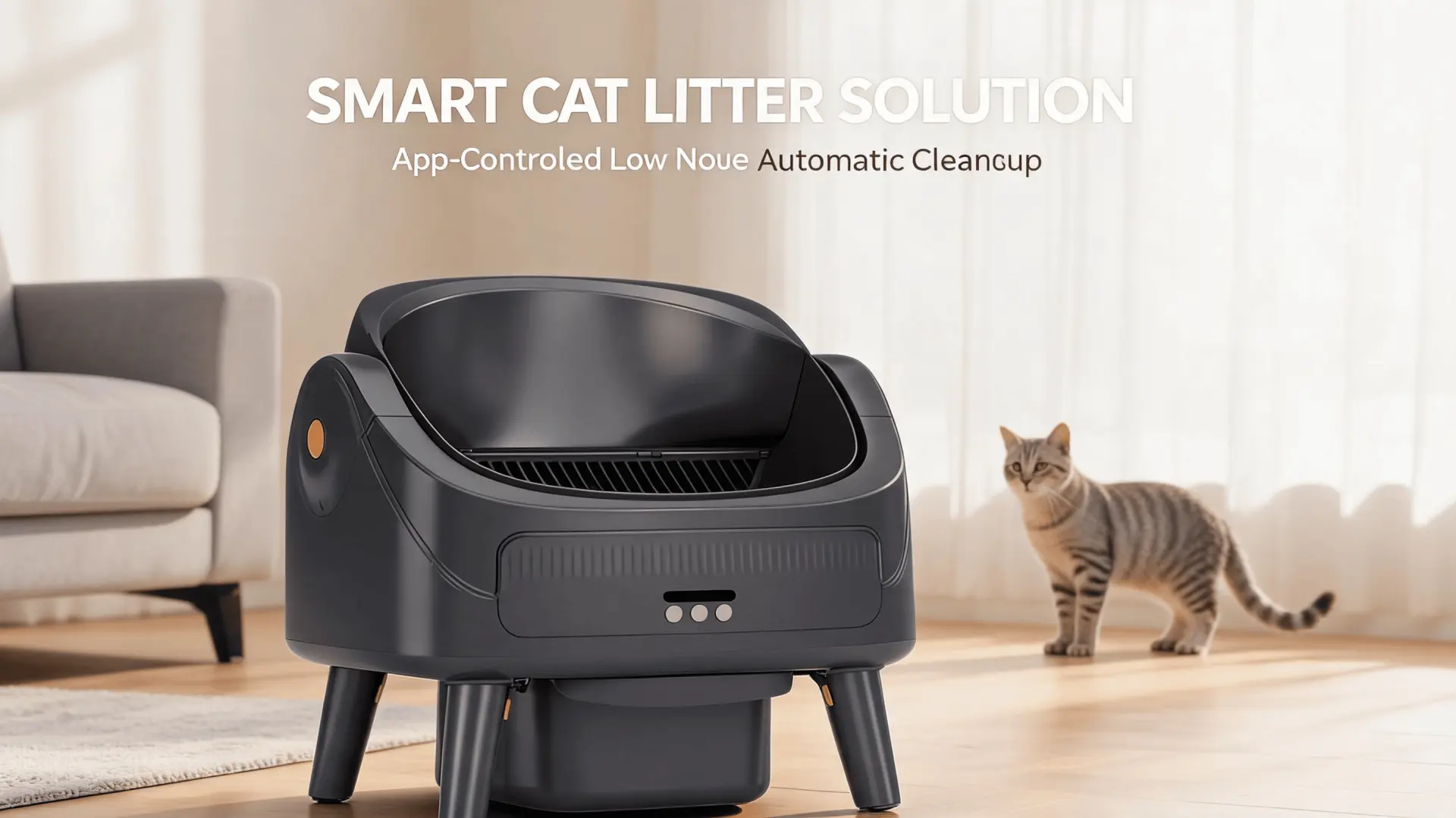
Smart pet products can serve very different customer segments. Therefore, B2B buyers need to match each product line with a clear market position before comparing quotations.
Some buyers want entry-level products that are easy to sell, affordable and suitable for broad distribution. Others want premium smart pet products with stronger functions, better design, higher retail value and more brand differentiation.
For distributors, brand owners and retailers, choosing between premium and entry-level positioning is not only a pricing decision. In fact, it affects product features, packaging, channel strategy, customer education, after-sales support, compliance preparation and supplier selection.
For example, an entry-level automatic pet feeder may focus on basic scheduled feeding and simple operation. In contrast, a premium smart feeder may include app control, camera monitoring, stainless steel bowl, better anti-jam design, voice interaction and stronger packaging. Both can be good products, but they fit different markets and channels.
For this reason, this guide explains how B2B buyers can choose smart pet products for premium and entry-level markets in Europe, North America, Japan and South Korea.
- Why Market Positioning Matters Before Sourcing
- Entry-Level Smart Pet Products: What They Should Offer
- Premium Smart Pet Products: What Makes Them Different
- Price Range: Start With the Customer, Not the Factory Price
- Feature Configuration for Entry-Level Products
- Feature Configuration for Premium Products
- Channel Positioning: Which Products Fit Which Channels?
- Market Differences: Europe, North America, Japan and South Korea
- Packaging Strategy for Different Market Segments
- After-Sales Risk: Entry-Level vs Premium
- Supplier Selection for Different Price Positions
- Recommended Product Strategy by Buyer Type
- Premium vs Entry-Level Selection Checklist
Why Market Positioning Matters Before Sourcing
Many buyers start sourcing by asking for product catalogs and prices. However, this can lead to confusion if the target market is not clear. As a result, two products in the same category may appear similar at first but perform very differently in real sales channels.
The same product category can have several positioning levels:
- Entry-level
- Mid-range
- Premium
- Private label premium
- Retail-exclusive
- DTC-focused
Therefore, buyers should define market positioning before comparing products.
In addition, clear positioning helps buyers decide:
- Which product categories to test
- Which features are necessary
- Which features can be removed
- What price range is realistic
- What packaging style is needed
- Which compliance documents are required
- What after-sales support level is acceptable
- Which sales channels are suitable
Without clear positioning, buyers may choose products that look attractive but do not match their customers. Consequently, the business may face slow sell-through, unclear marketing angles or unnecessary after-sales pressure.
Entry-Level Smart Pet Products: What They Should Offer
In entry-level markets, smart pet products are designed for customers who want practical functions at an accessible price.
Ideally, these products should be easy to understand, easy to use and easy to sell. They do not need every advanced feature, but the core function must be reliable.
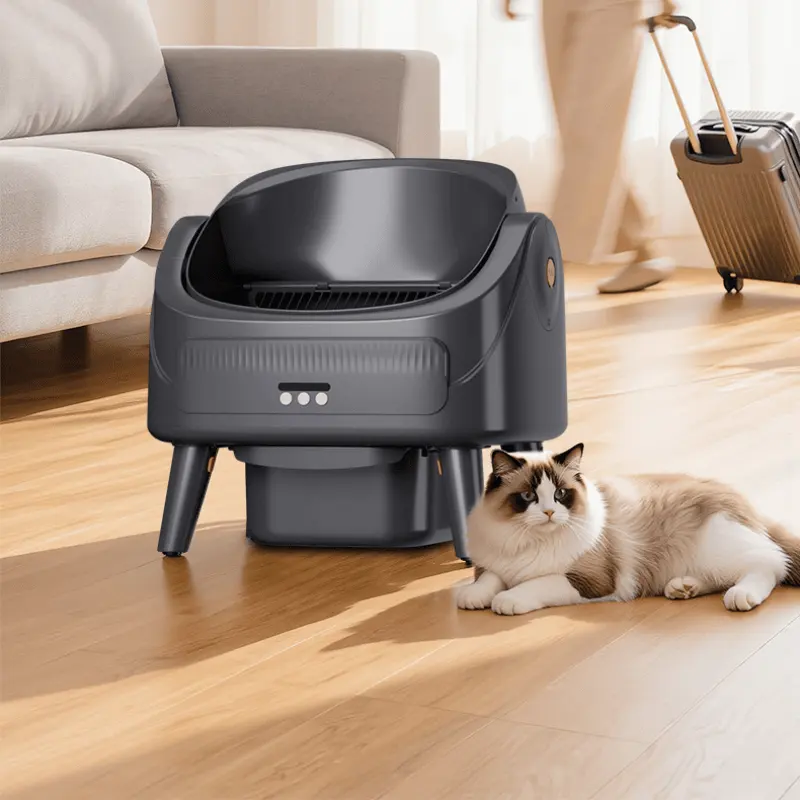
For example, entry-level products are suitable for:
- Broad retail channels
- Wholesalers
- First-time category testing
- Price-sensitive markets
- Amazon sellers testing demand
- Distributors building a basic smart pet product line
Common examples may include:
- Basic automatic pet feeders
- Simple app-controlled feeders
- Standard pet water fountains
- Entry-level pet cameras
- Basic smart toys
- Selected rechargeable pet accessories
The key is not to make the cheapest product possible. Instead, entry-level products should offer stable quality at a reasonable price.
Premium Smart Pet Products: What Makes Them Different
By comparison, premium smart pet products are designed for customers who are willing to pay more for better function, design, convenience and user experience.
In this segment, premium products may include:
- Camera smart feeders
- Smart cat litter boxes
- GPS or health monitoring collars
- Pet cameras with interactive functions
- Premium water fountains
- AI or app-connected pet care devices
- Smart home pet products with stronger design
Moreover, premium products usually need stronger:
- Product differentiation
- Packaging
- App experience
- Material quality
- Function reliability
- Product education
- After-sales support
- Compliance documents
As a result, premium products can support higher retail prices, but they also require more careful supplier evaluation.
Price Range: Start With the Customer, Not the Factory Price
Price positioning should begin with the customer and channel, not only the factory quotation. Otherwise, buyers may select a low factory price that still fails to fit their retail channel.
Before choosing products, buyers should ask:
- What retail price can the target customer accept?
- What price range already exists in the market?
- What margin does the channel need?
- What platform fees or retailer margins apply?
- What shipping and storage costs are involved?
- What return risk can the business absorb?
- How much marketing or product education is needed?
In entry-level markets, customers may compare products mainly by price, basic function and reviews. Therefore, the product must be easy to explain and competitive.
By contrast, customers in premium markets may accept a higher price if the product solves a stronger problem, looks better, feels more reliable and provides a smoother user experience.
However, premium pricing only works if the product experience supports the price.
Feature Configuration for Entry-Level Products
At the entry level, products should focus on essential functions.
For automatic pet feeders, useful entry-level features may include:
- Scheduled feeding
- Portion control
- Simple button operation
- Easy-clean food tank
- Stable motor
- Anti-jam structure
- Dual power supply
- Clear user manual
Meanwhile, for pet water fountains, entry-level features may include:
- Quiet pump
- Basic filtration
- Easy disassembly
- Safe materials
- Suitable capacity
- Simple cleaning
Similarly, for pet cameras, entry-level features may include:
- Basic live view
- Two-way audio
- Simple app connection
- Stable Wi-Fi setup
- Clear instructions
The goal is to reduce complexity and after-sales risk. In many entry-level channels, reliable basic performance is more important than adding many advanced features.
Feature Configuration for Premium Products
On the premium side, products should provide stronger value beyond basic function.
For automatic pet feeders, premium features may include:
- App control
- Camera monitoring
- Feeding history
- Low food alerts
- Stainless steel bowl
- Improved anti-jam design
- Voice recording
- Better material finish
- Brandable app experience
In addition, for smart cat litter boxes, premium features may include:
- Safety sensor system
- Automatic cleaning cycles
- Odor control
- Waste bin alerts
- App monitoring
- Quiet motor
- Large capacity
- Easy cleaning structure
- Premium packaging
For smart pet collars, premium features may include:
- GPS tracking
- Activity monitoring
- Health-related data
- Longer battery life
- Waterproof design
- Comfortable strap
- App data display
- Multi-pet management
Finally, for pet cameras, premium features may include:
- HD or higher camera quality
- Night vision
- Motion detection
- Two-way audio
- Treat dispensing
- Interactive movement
- App alerts
- Privacy settings
Nevertheless, premium features must be stable. A feature that looks attractive but creates app complaints or return risk can damage the product.
Channel Positioning: Which Products Fit Which Channels?
Different channels need different product strategies. Therefore, a product that works for one buyer type may not be the best choice for another.
Wholesale and Broad Distribution
In broad distribution, buyers usually need stable products that can be sold by many downstream customers.
As a result, entry-level and mid-range products often work better because they are easier to explain and easier to reorder.
Good options include:
- Automatic pet feeders
- Pet water fountains
- Basic pet cameras
- Smart toys
- Selected smart collars
In addition, distributors can add premium products later once channels are ready.
Retail Stores
Retail stores, meanwhile, need products that customers can understand quickly.
In this channel, entry-level feeders and water fountains work well because the use case is clear. Premium products can also work if packaging, demo videos and sales training are available.
For retail stores, packaging and shelf presentation matter. Therefore, product boxes should communicate key value clearly without too much technical language.
Amazon and Marketplace Sellers
Amazon sellers, however, need products with searchable keywords, clear images, strong reviews and manageable return risk.
At first, entry-level products can help sellers test demand. However, competition may be strong. Premium products can support better differentiation, but they require better listings, videos, manuals and support.
For Amazon, buyers should pay close attention to:
- Product reviews
- Setup difficulty
- Packaging damage
- App complaints
- Compliance documents
- Battery or adapter information
DTC and Brand Channels
Compared with broad wholesale channels, DTC brands can usually support more premium products because they can educate customers through websites, emails, social content and videos.
For example, smart cat litter boxes, camera feeders, smart collars and interactive pet cameras can work well when the brand can explain the value clearly.
However, DTC brands also need stronger customer support because customers expect a direct relationship with the brand.
Market Differences: Europe, North America, Japan and South Korea
Europe
European buyers often care about product quality, compliance, design and documentation. Therefore, entry-level products should still feel reliable and safe, while premium products should offer strong design and clear compliance support.
Good categories include:
- Automatic pet feeders
- Pet water fountains
- Premium smart litter boxes
- Smart collars
- Pet cameras
In addition, CE, RoHS, manuals and packaging information should be considered early.
North America
North America is strong for e-commerce, premium pet spending and smart home adoption. As a result, both entry-level testing and premium product launches can have room in this market.
For Amazon and broad retail, entry-level products can work well. Meanwhile, premium products can also perform well if they have strong listings, clear videos and after-sales support.
Good categories include:
- Smart feeders
- Smart cat litter boxes
- Pet cameras
- Smart collars
- Interactive smart toys
Japan
Japan often values compact design, quiet operation, clean appearance and user-friendly details. Therefore, buyers should pay attention to size, noise level and daily usability.
Even at entry level, products should not feel low quality. By contrast, premium products should focus on space-saving design, quiet function and refined user experience.
Good categories include:
- Compact smart feeders
- Quiet water fountains
- Smaller pet cameras
- Selected smart litter boxes
- Smart collars with clean design
South Korea
South Korea has strong e-commerce, mobile usage and interest in well-designed consumer electronics. For this reason, visual presentation and app experience can strongly influence product selection.
Premium products can be attractive if the visual design, app experience and online presentation are strong. At the same time, entry-level products can also work if they are stylish and easy to use.
Good categories include:
- Smart feeders
- Pet cameras
- Smart collars
- Premium smart litter boxes
- Interactive pet products
Packaging Strategy for Different Market Segments
Packaging should match the product position. In many B2B projects, packaging is also the first place where buyers can control customer expectations.
Entry-Level Packaging
For entry-level products, packaging should be clear, practical and cost-efficient.
In particular, it should focus on:
- Main function
- Product photo
- Key specifications
- Simple setup information
- Barcode
- Warning labels
- Manual
- Basic brand identity
The packaging should not overpromise. Instead, it should help customers understand the product quickly.
Premium Packaging
By comparison, premium packaging should support higher perceived value.
For example, it may include:
- Better product photography
- Cleaner visual design
- Stronger material
- More detailed feature explanation
- Multi-language content
- Better inner protection
- Branded manual
- Quick start card
- Accessory organization
For premium smart pet products, packaging should also reduce shipping damage and make setup easier.
After-Sales Risk: Entry-Level vs Premium
After-sales risk exists in both market segments, but the causes may differ. Therefore, buyers should evaluate risk according to the product position instead of using one standard for every item.
Entry-Level Risk
At the entry level, products may face risk from:
- Low-cost components
- Weak packaging
- Unclear manuals
- Overly basic functions
- Strong price competition
- Customer expectations shaped by higher-end products
Therefore, buyers should not reduce cost by cutting critical quality points such as motor stability, pump quality, battery safety or basic function testing.
Premium Risk
In premium markets, products may face risk from:
- Complex features
- App connection problems
- Higher customer expectations
- More expensive returns
- Larger packaging
- More technical support questions
- Advanced claims that are hard to prove
As a result, premium products need stronger testing, clearer instructions and better after-sales preparation.
Supplier Selection for Different Price Positions
Supplier capability should match the product position. Otherwise, buyers may choose a product that looks attractive but cannot be supported consistently after launch.
For entry-level products, buyers need suppliers that can provide:
- Stable mass production
- Competitive pricing
- Basic customization
- Consistent quality
- Reliable lead time
- Clear packaging
- Low defect rate
Meanwhile, for premium products, buyers need suppliers that can provide:
- Stronger product development
- Better component control
- App support
- OEM/ODM capability
- Advanced testing
- Compliance documents
- Packaging customization
- After-sales support
- Spare parts
In both cases, a very low price should not be the only decision factor. The real cost includes returns, warranty, customer support and brand reputation.
Recommended Product Strategy by Buyer Type
For Distributors
Distributors should build a balanced product mix. This approach helps them cover volume demand while still testing higher-margin opportunities.
In general, entry-level and mid-range products can support volume, while premium products can support margin and channel differentiation.
Recommended mix:
- Automatic pet feeders as core volume products
- Water fountains as daily-use products
- Smart cat litter boxes as premium products
- Smart collars and cameras as expansion products
For Brand Owners
Brand owners should choose products that match brand positioning. Therefore, product selection should start from brand promise, not only from available factory models.
If the brand focuses on affordability, choose stable entry-level products with clean packaging and reliable function.
However, if the brand focuses on premium pet care, choose products with stronger design, app experience, materials and customer support.
For Retailers
Retailers should choose products that are easy to explain and suitable for their customer base. In addition, they should consider shelf display, staff training and customer service workload.
For broad retail, entry-level feeders and water fountains are good choices. In contrast, premium smart litter boxes, camera feeders and smart collars are better for pet specialty stores or online channels with product education.
Premium vs Entry-Level Selection Checklist
Before choosing a smart pet product, review this checklist. As a result, your team can compare products with a clearer buying standard:
- Is the target customer price-sensitive or premium-oriented?
- What retail price range fits the channel?
- Is the product easy to explain?
- Which features are truly necessary?
- Which features can be removed for cost control?
- Does the product need app control?
- Are packaging and manuals aligned with the price position?
- Can the supplier support stable quality?
- Are compliance documents available?
- Is after-sales risk manageable?
- Can small batch trial orders be supported?
- Does the product fit long-term channel strategy?
Ultimately, this checklist helps buyers avoid choosing products only by trend or factory price.